

A Small Step Towards Big Change
This blog post was written by Autumn Vetter, a 2026 Marine Plastics Ambassador.
Originally, I focused on HEA 1053, a ban on plastic bans for Indiana. These bans on bans are pieces of legislation that heavily impact recycling measures and sustainability initiatives. Fort Wayne and its surrounding areas have a fair amount of plastic pollution, especially along heavy transit areas such as I-69. Seeing these build up of plastics, made me want to address the issue. However, I had to pivot away from advocating for the removal of this legislation. When I was talking to people in my local community, there was something else they were concerned about: nature reserves and the removal of native species.
With this information in mind, I decided to send letters to our state Senators about policy solutions for this issue and work on increasing participation in local programs. These local programs typically focus on restoration of wetlands and related habitats. Eagle Marsh, is one of the largest evidence of restoration efforts within our community, and it’s deeply prized. So, I asked myself: How can I engage my community while aligning my role as a Marine Plastics Ambassador with these restoration efforts? The Marine Plastics Ambassador Program aims to empower the youth by providing information, skills, and tools to make change, so why not model that in my community?
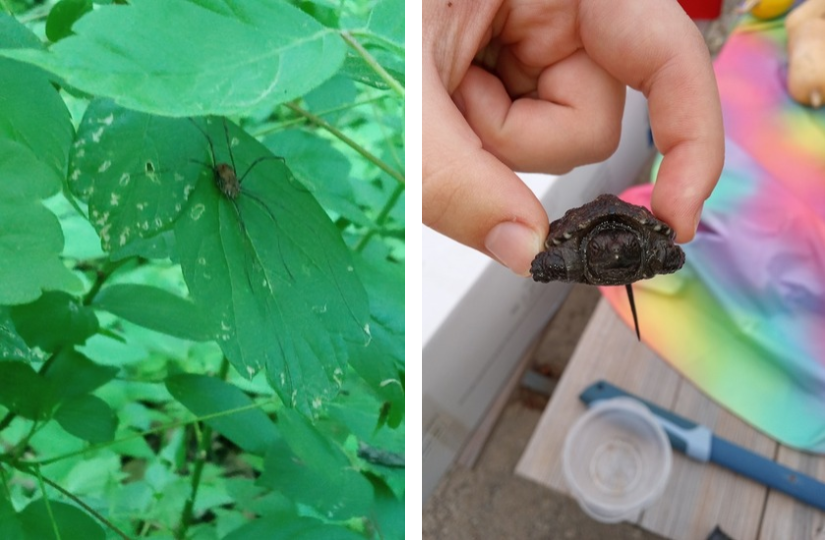
During my program, a total of 15 letters of petition were written, 20 iNaturalist photos were taken and logged, and 50 seed bombs were made for Eagle Marsh. Over 50 different individuals were reached, all of varying ages and experiences! These actions helped raise awareness and interest in our local community’s welfare, especially concerning nature. By encouraging local communities to work collaboratively on larger issues, real change can occur.
When it comes to my project, the biggest successes were the little ones. While the scale wasn’t massive, the impact of sharing skills with people who wanted to make change, is the best tool to create impact. My greatest challenges over the course of this experience was simply pushing forward and getting outside of my comfort zone — something that was fixed only by the desire to get out and do something.
By enveloping myself in something uncomfortable, I developed the ability to clearly advocate through communication, whether it be through writing, posting on social media, or making phone calls to confirm meeting places were available. The ability to pursue these tasks is an example of how to gain leadership. Being a leader means taking on the responsibility to organize and then listen. And this idea of leadership is seen all throughout the key targets of the Marine Plastics Ambassador program. The key to changing policy is looking to your leaders and making them listen, it’s reaching out to the community — hearing what they have to say and interpreting it into events they’ll attend and interact with.
And with these skills, I plan to slowly build my small events into larger ones. My upcoming goal is to host two litter cleanups, one at Eagle Marsh, another at the James P. Cromwell nature preserve. Additionally, I plan to goal my local libraries summer-time calendar, hosting presentations and activities that are themed to gain further support for a petition to increase the capabilities of citizens to recycle while also moving the recycling bins since the local recycling center bins tend to overflow and then fall into our local waterways due to their location and the sheer amount being recycled.
Learn more about the EarthEcho Marine Plastics Ambassadors at https://www.earthecho.org/plastics-ambassadors.