

What My First Hill Day Taught Me About Marine Plastics Advocacy
This blog post was written by Aska Burks, a 2026 Marine Plastics Ambassador.
Have you ever heard of Hill Day? It's where you go speak with a bunch of your representatives about bills and subjects important to you such as marine plastics. We spent a week in Washington, D.C. with EarthEcho—just talking about the bills coming out related to marine plastics and what they were doing to address this issue. I didn't know this was even a course of action allowed before I applied for this program, and truly it was a paradigm shift. I learned three important points during this week
1. Anyone can do a 'Hill Day'
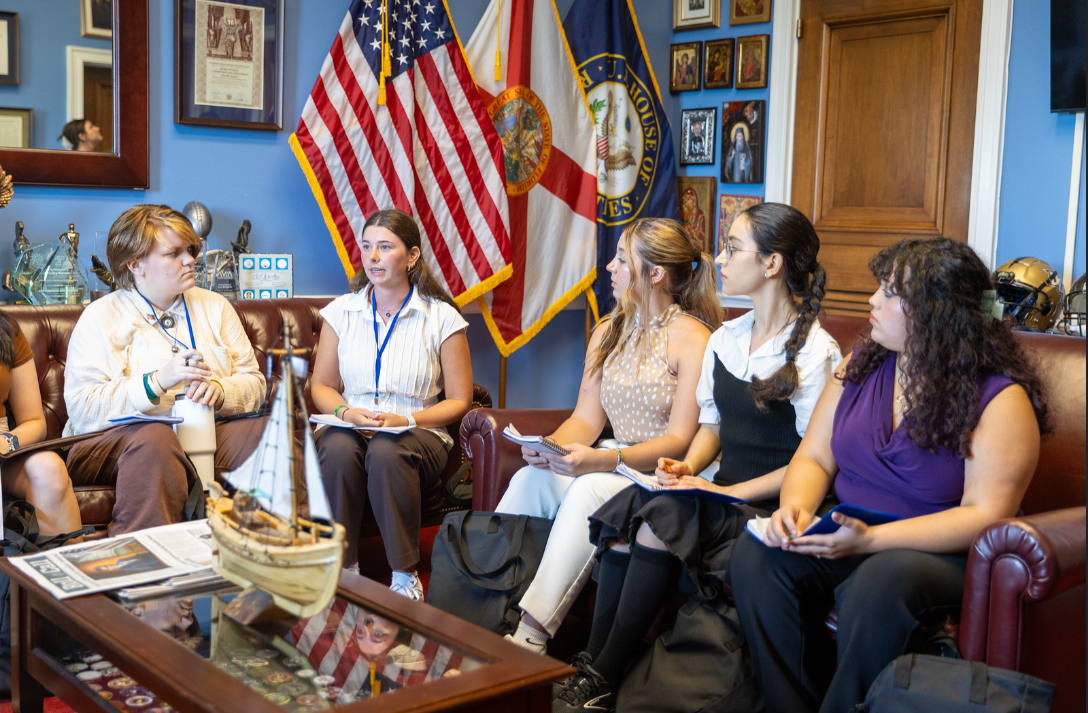
It’s easy to feel as though our representatives are these unreachable "others." But we elected them, we have a right to speak about issues we care about to our representatives so they can represent us properly. The Marine Plastics Ambassadors program showed me that sometimes it's as simple as knocking on a representative's door and seeing if someone will talk to you. That's what my group had to do for Brian Mast's office and it turned into one of our most responsive meetings. And you know what? They were grateful to hear from us, and said that outreach like this helps them hear through the noise to find the bills their constituents want.
2. You're Not Alone
The news, current events, and life in general can create this loneliness—as though the problem is too big and your influence too small. Especially for a state like mine which has a ban on plastic bans, which doesn’t allow local communities to ban or tax plastic. Something like that really takes the wind out of your sail.
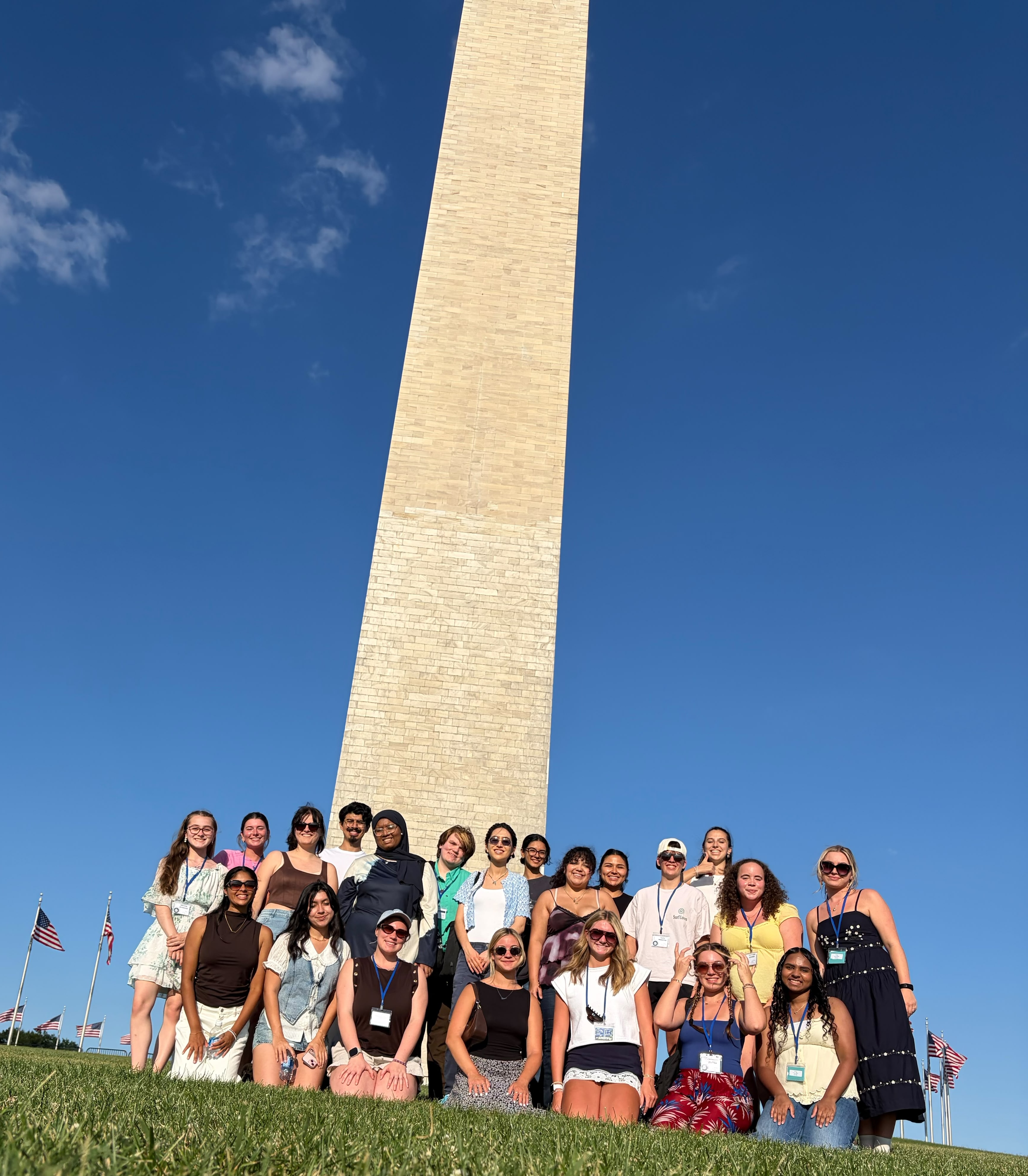
But then you come to an event like Hill Day, and you’re surrounded by these brilliant people who share your concerns and frustrations. Each person in the below photo has been there, has felt alone, and like there’s nothing to be done. But that’s the neat thing, you’re not alone.
This program gave me the chance to see like minded people around my age develop these steps forward through community and connection.
3. Education Is Our Future’s Hope
Philippe Cousteau, the founder of EarthEcho International, told us at the beginning of this week that fear is a short term motivator while hope is a long term one, and I haven’t been able to get that out of my head.
Hope comes from a plan, from understanding, and teaching our generation and those after us. Education breeds connection as seen through this program, and that connection builds a movement built on hope. I like to think of it like a family recipe. Your mother teaches you this family recipe, and you add your own spin to this new information given. Now it’s just a little different, and maybe that difference will be just what was needed. Through collaboration across generations, the next generation will always be more informed than the previous. Education connects our past, the present, and the future. That connection can lead to changes over generations, it keeps work like plastic advocacy going even after you stop.
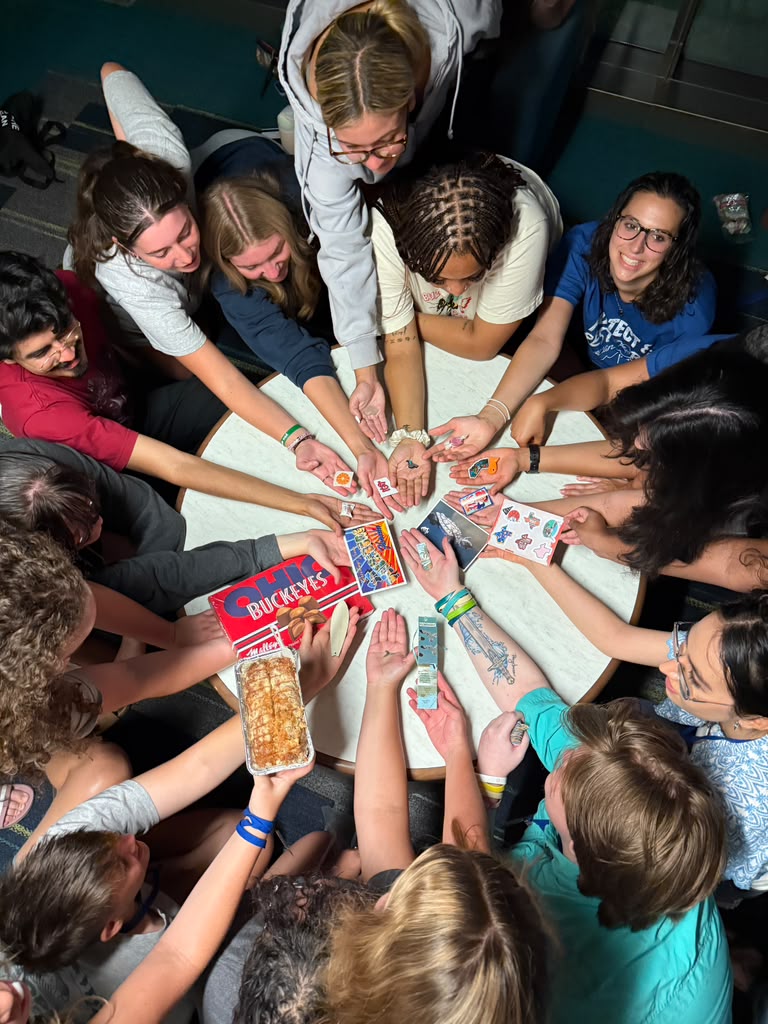
That's how I see it now after a week surrounded by brilliant people from all over the United States who understand the issues marine plastics cause and the possible solutions our representatives can support. That together we can make a difference, even if that sounds cheesy. That it is our responsibility and privilege to work towards the future we want to see. For me, that’s a kind future crafted with our beautiful blue marble in mind.