

Florida Ban on Bans
This blog post was written by Emma Scott, a 2026 Marine Plastics Ambassador.
Allowing local governments to make their own policies surrounding plastic pollution will help us tackle this issue in Florida, which has the highest amount of coastline on the East coast, including the Gulf, which means it has a big impact on marine plastic pollution. For my policy campaign, I chose to focus on Florida state policy, surrounding the ban on local plastic laws, in hopes to get rid of the ban, hence “ban on bans.” I was inspired to take action because I have been starting to first hand in my classes the negative environmental effects plastics have on marine ecosystems, from microplastics to toxic chemicals, and how little is being done about regulating it. It is clear that action is needed if we want to prevent marine plastics from continuing to have detrimental effects to the economy, environment, and public health.
Taking Action for Florida’s Coastlines
I joined other Marine Plastics Ambassadors in Florida in raising awareness and educating the public about the impacts of the state’s ‘ban on bans’ policy on social media. We collaborated on posts and stories, and I helped encourage followers to attend their virtual advocacy workshops. I also met with a fellow ambassador, Cassandra Jordan, to plan Hill Day activities, and I attended one of the meetings with state legislators to share our concerns about plastic pollution. I also sent a few emails to legislators about the impact of plastic pollution on Florida’s coasts and policy solutions that I think would help address it.
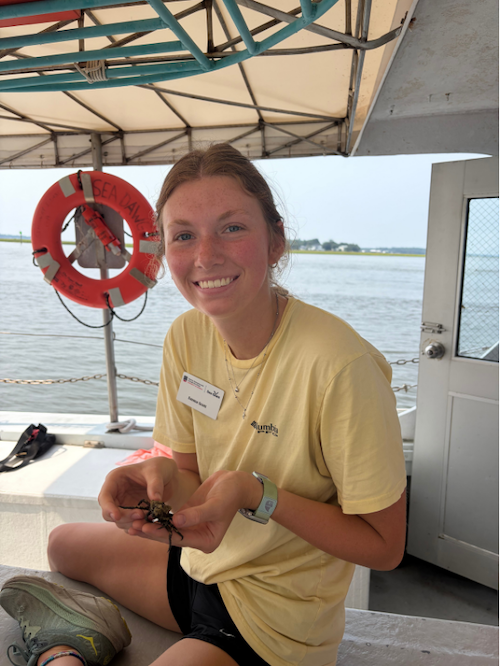
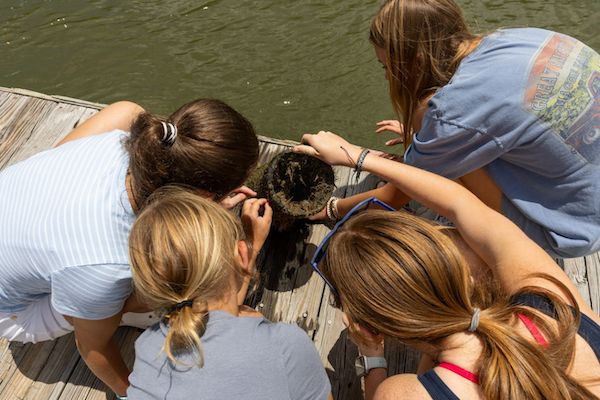
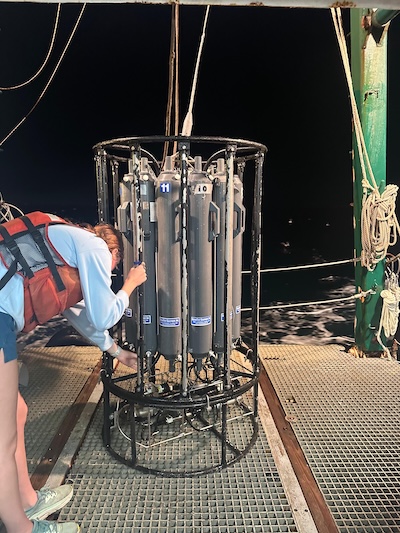
During my internship over the summer, I incorporated what I had been learning as an EarthEcho Marine Plastics Ambassador into my education programs. I was a Marine Education Intern and assisted with Marine Science summer camp programs for youth ages 6-16. Over the course of eight weeks, I interacted with and educated campers on the importance of marine ecosystems and how things like plastic pollution are impacting them.
Campaign Impact
Although I’m still working on my campaign, I’m proud of the progress I have made in such a short amount of time. For me, being able to share the issue that I care about with so many people just through social media and education programs is a big success.
Impact of my campaign so far:
- 3,134 Instagram views, including 3,000 views on Reels and 107 views on Stories
- 160 Reel interactions, helping spread awareness of the campaign
- Around 200 youth reached through summer camp education programs
- 5 emails sent to legislators and participation in 1 legislative meeting
Together, these efforts have helped me reach approximately 3,330 people through social media and educational outreach. These numbers represent more than just views. They are opportunities for people in Florida to learn about plastic pollution and be inspired to take action to support the policies that can help our communities.
What I’ve Learned and What Comes Next
As a Marine Plastics Ambassador, I have taken on a different role and been given the chance to make a difference for something I am passionate about. This opportunity has educated me about the world of environmental policy and current work being done to tackle this very important issue. Before this, I had a strong passion for marine plastics, but as a marine science major, my knowledge was limited to the environmental harm caused by them. Looking at this issue through a policy lens has given me so much insight into how broad this issue really is, and how it truly does impact everyone.
I’ve been able to develop campaign-planning and research skills, as well as environmental education skills. The biggest challenge I encountered was finding ways to engage the public about the campaign on my own. I tried to overcome this by collaborating with the other Ambassadors in Florida. Learning more about advocacy has given me a new appreciation for all the work being done in this area, and I hope to be able to continue to contribute to this issue however I can.
While my campaign is still a work in progress, I hope to stay connected with the other Florida ambassadors I met through this program and continue to have an impact on local and state levels. Being a marine plastics ambassador has given me the skills I need to continue being an advocate in my daily life. A main goal of mine is to educate the public on marine plastic issues and policy, whether that be online with social media or through my involvement at my college, Florida Gulf Coast University, and to continue to do that through a career in marine education.
Stay Connected! Follow my marine advocacy account, @sea4.yourself on Instagram.
My personal account is @emma_is_superior, and please feel free to reach out via email, emmagscott07@gmail.com!