

Turning the Tide of Single-Use Plastic Waste
This blog post was written by Divya Sivaram, a 2026 Marine Plastics Ambassador.
Every piece of plastic that leaves a campus has somewhere to go, and in Amherst, Massachusetts, a lot of it ends up on the way to the Connecticut River and eventually the ocean. As a Marine Plastics Ambassador with EarthEcho International and a student at UMass Amherst, my campaign is working toward a Single-Use Plastic Reduction in Amherst that would cover plastic bags, styrofoam containers, and disposable cutlery. These items are used for a few minutes and last for centuries, and they show up in nearly every cleanup. Amherst is a college town, so decisions made here shape the habits of thousands of students who carry them into the rest of their lives. My goals were to raise awareness of microplastic pollution in our waterways and to turn that awareness into hands-on action in our community.
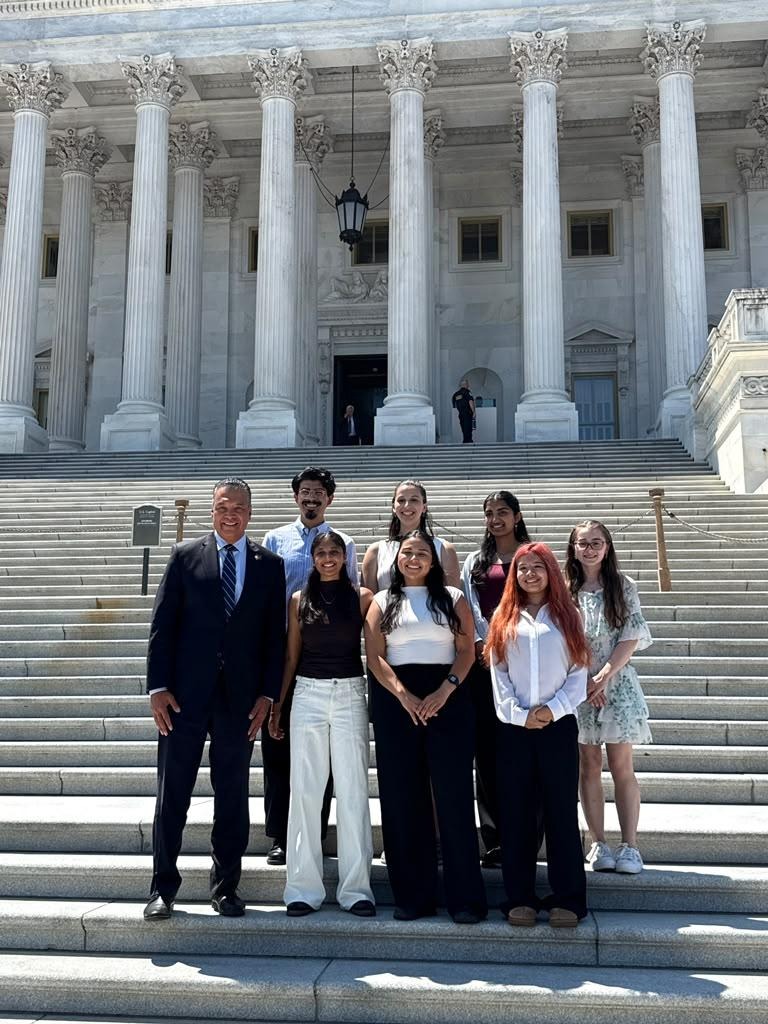
Every piece of plastic that leaves a campus has somewhere to go, and in Amherst, I started by learning the policy side of plastic pollution. I studied the Farewell to Foam Act and the other bills in EarthEcho's 2026 Youth Federal Policy Priorities, then represented our chapter at Hill Day in Washington, DC. As lead ambassador for our meeting with Senator Warren's office, I opened with the section on microplastics and single-use plastics reduction. Because the Senator already supports the Farewell to Foam Act, I thanked her team and talked about building on that momentum, and on bills she had not yet cosponsored I made direct asks. Standing in a congressional office and speaking about what I see on my own campus taught me how much a personal story can add to a policy conversation.
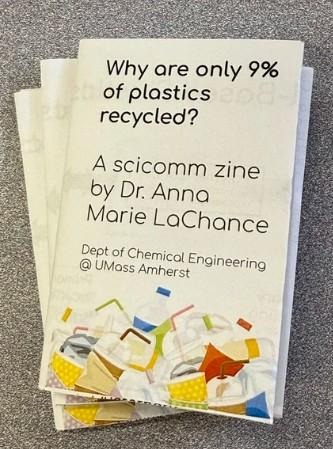
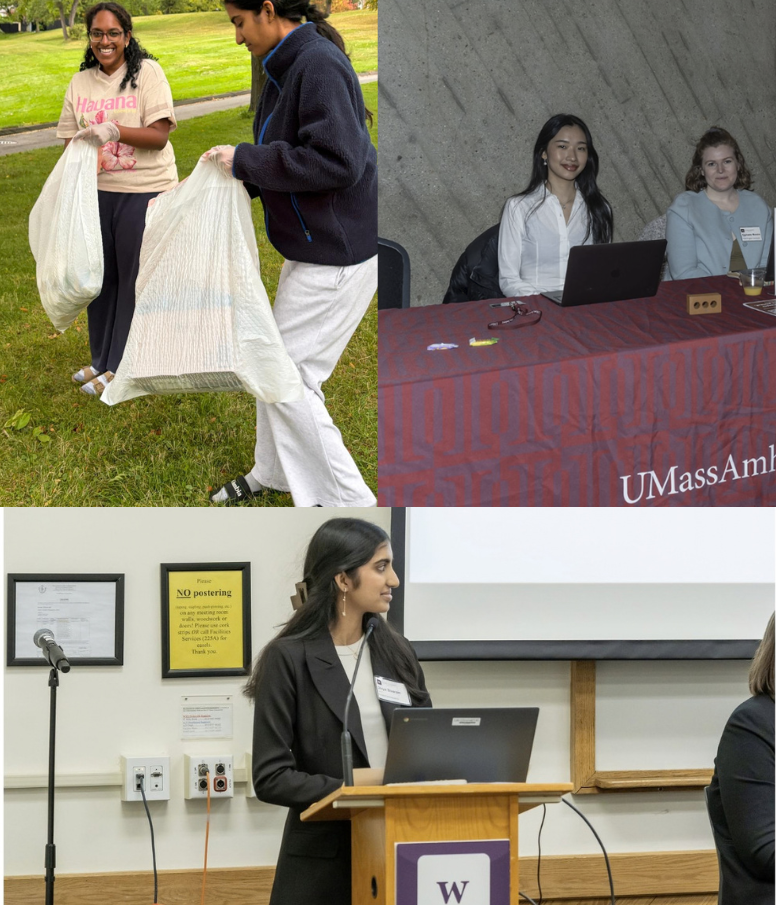
Back in Amherst, I took the same approach to the local level. I spoke with local policymakers at campus events about why a policy change would matter here, and I began building a coalition around the campaign. My partners include UMass's Office of Sustainability, EarthEcho, the Student Government Association, faculty members, the ICONS Program, and a UMass chemical engineering course on the plastics lifecycle. I also organized a cleanup at Sweester Park, where volunteers collected trash and plastic water bottles. The cleanup gave people a concrete way to get involved, and it gave me firsthand evidence of everyday plastic waste to bring into policy conversations.
Campaign Impact
- 5 cleanup volunteers
- 10 lbs of single-use plastic litter collected including cigarette butts and plastic bottles
- 100+ students stopped by through two tabling events on campus
- 5 policymakers engaged
Together, these partnerships give the ordinance a base of support that I hope will carry it toward a formal presentation to the Amherst Town Council.
The cleanup at Sweester Park removed about 5 kilograms of trash and water bottles from a local green space. That is a modest amount, but water bottles are among the single use items an ordinance like ours is meant to reduce, so the haul shows the problem at a scale people can see and pick up. Beyond the cleanup, the campaign has led to a Hill Day meeting with a senator's office, conversations with Amherst policymakers, and partnerships with campus offices, student government, faculty, and EarthEcho.
The biggest thing I learned is that policy change is mostly relationship building. Before this program, I thought advocacy meant making the strongest argument. Hill Day showed me that staffers and officials respond best when they feel you understand their priorities, so I learned to open with gratitude, share a personal story, and then make a specific ask. Another challenge was balancing the campaign with a full course load and several campus jobs. I handled it by breaking the work into small, regular steps and leaning on teammates and partners instead of trying to do everything myself. The cleanup also taught me about organizing people, because it takes planning, clear roles, and a reason for volunteers to care. It also showed me that a single cleanup removes litter without stopping the flow of plastic, which is why I put so much of my effort into policy. I came into the program interested in the environment, and I'm leaving it as someone who feels capable of leading change and who understands how policy gets made.
Looking Ahead
This fall, I will be attending the Emerging Leaders Fall 2026 Summit for the Common Good, where I will meet elected officials and policymakers and take part in the Legislation that Matters session. I plan to use that time to raise awareness of the policies that would reduce plastic pollution in Amherst and in neighboring Springfield and Holyoke, since plastic travels well beyond town lines and the communities along the Connecticut River share both the problem and the solutions. I also hope the summit will lead to new connections and allies for the campaign.
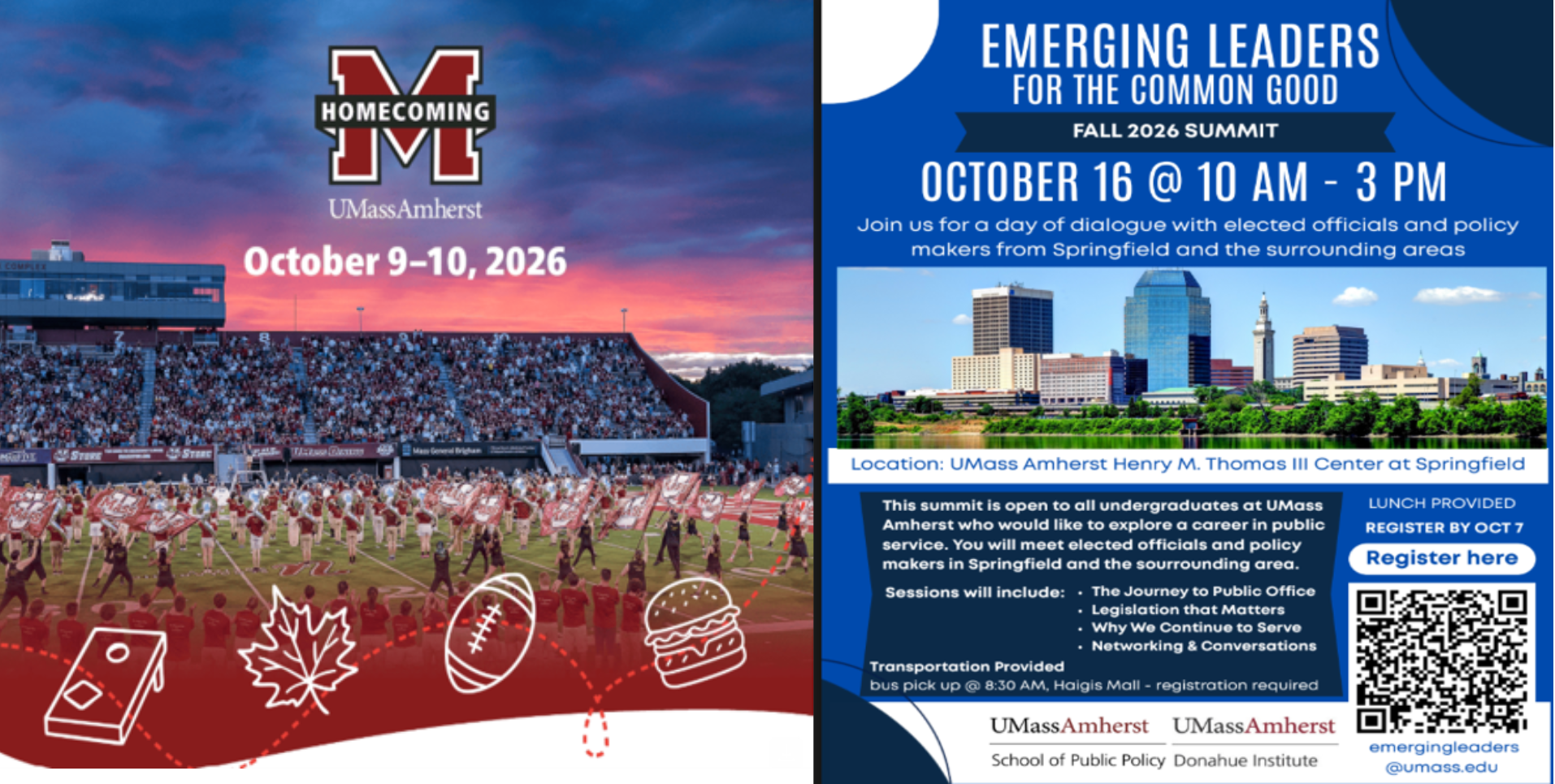
Closer to campus, my next step is a tabling event during Homecoming Weekend to bring more students into the campaign and grow support for the campaign. I will keep building relationships with local policymakers and EarthEcho staff, and I plan to launch a student-led Connecticut River cleanup that connects our campus directly to the waterway. The long-term goal is to present the campaign to the Amherst Town Council with strong students and community backing. If it passes, I hope it can serve as a model for other college towns and for the neighboring communities I will be meeting at the summit.
Learn more about the EarthEcho Marine Plastics Ambassadors at https://www.earthecho.org/plastics-ambassadors.