

Ban the Bead
This blog post was written by Arya Kambhampati, a 2025 Marine Plastics Ambassador.
My project began with one goal: to educate and raise awareness about plastic pollution, especially microplastics, and their impact on human health and the environment. I wanted to empower students to become part of the solution through education, advocacy, and action. To do this, I created two student-led groups at my school, including one in the middle school. These clubs serve as platforms for students to learn about microplastics, discuss solutions, and take tangible steps toward reducing plastic waste in our communities.
Project Details
- Organized two schoolwide assemblies to educate students about the sources and effects of microplastics.
- Hosted letter-writing sessions where students wrote to district representatives advocating for stronger plastic regulations.
Built a student-run website featuring blogs, articles, and resources about microplastic pollution. - Secured the rights to screen Plastic People, a documentary about plastic pollution, which we plan to host for the school community.
- Began collaborations with other schools to create workshops and educational activities centered on plastic reduction and awareness.
Project Impact
- Engaged over 200 students across both the high school and middle school.
- Collected more than 80 letters addressed to local policymakers.
- Published multiple student articles on our website.
- Sparked meaningful discussions among students, many of whom have made lifestyle changes to reduce their plastic use.
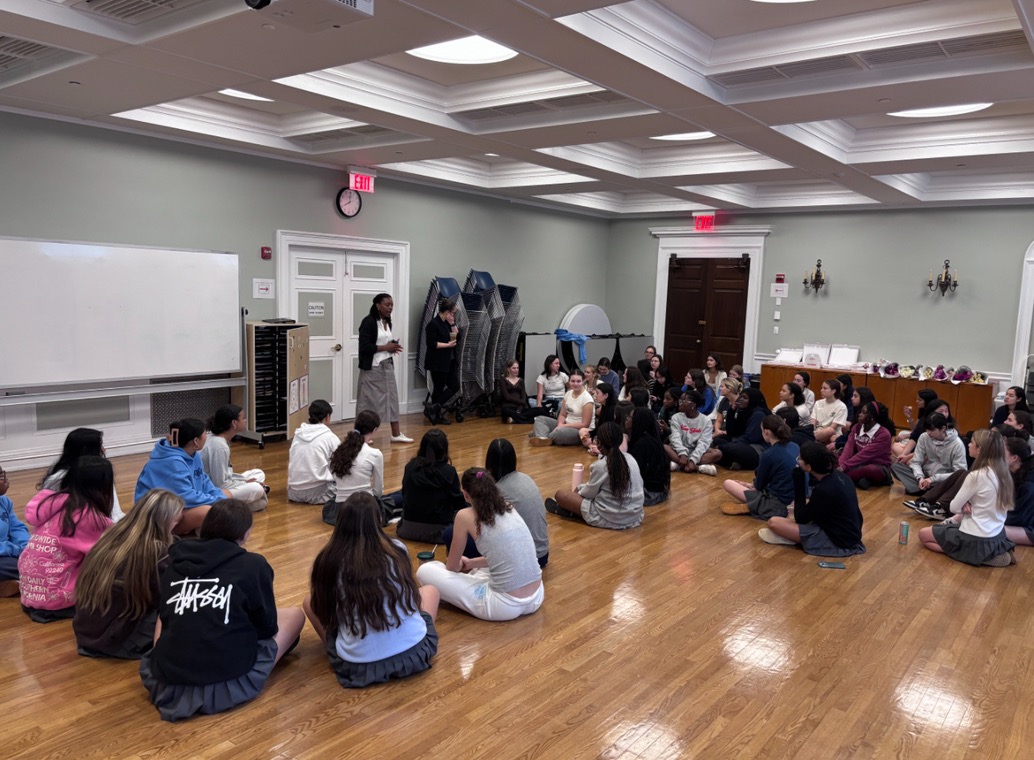
This project successfully built strong student engagement and participation through assemblies and clubs, while also expanding across grade levels to reach younger students. Working with other schools and managing logistics for larger events posed challenges, as did simplifying complex scientific concepts for the middle school and the website to showcase our work. Through these experiences, I learned that awareness grows through narration and peer involvement, and that even small, school-based initiatives can influence community behavior.
Moving forward, we plan to host a screening of Plastic People, followed by a panel discussion to foster conversation and reflection. We also aim to expand our workshops to nearby schools to create a larger student network focused on plastic reduction. Additionally, we will continue publishing student research and reflections online to inspire broader awareness and launch social media accounts to share our progress and impact.