

Water Quality Starts Upstream: Keeping Plastic Out of Our Waterways | National Water Quality Month Part 2 of 4
This blog post was authored by Dr. Sam Athey, EarthEcho Marine Plastics Program Manager
When you think about good water quality, do you picture clear waters, an abundance of aquatic life or a litter-free beach? These are common images to envision, but water quality is so much more than what we can see. Some of our most persistent pollutants are invisible and much of the process begins long before they our waters.
Plastic Pollution Is A Water Quality Issue
Plastic pollution enters waterways in many forms. A food wrapper carried down a storm drain. A lost fishing line drifting in the marsh. Tiny fibers shed from polyester clothing during laundering. Each piece adds up to the estimated 57,000,000 tons of plastic waste entering the environment each year.
Once plastic waste enters the environment, it can travel far from where it was discarded. Plastic pollution has been documented in the deepest ocean trenches to the highest mountain peaks. Over time, larger plastic items break-up into smaller plastic particles called "microplastics’"(particles <5 mm in size).
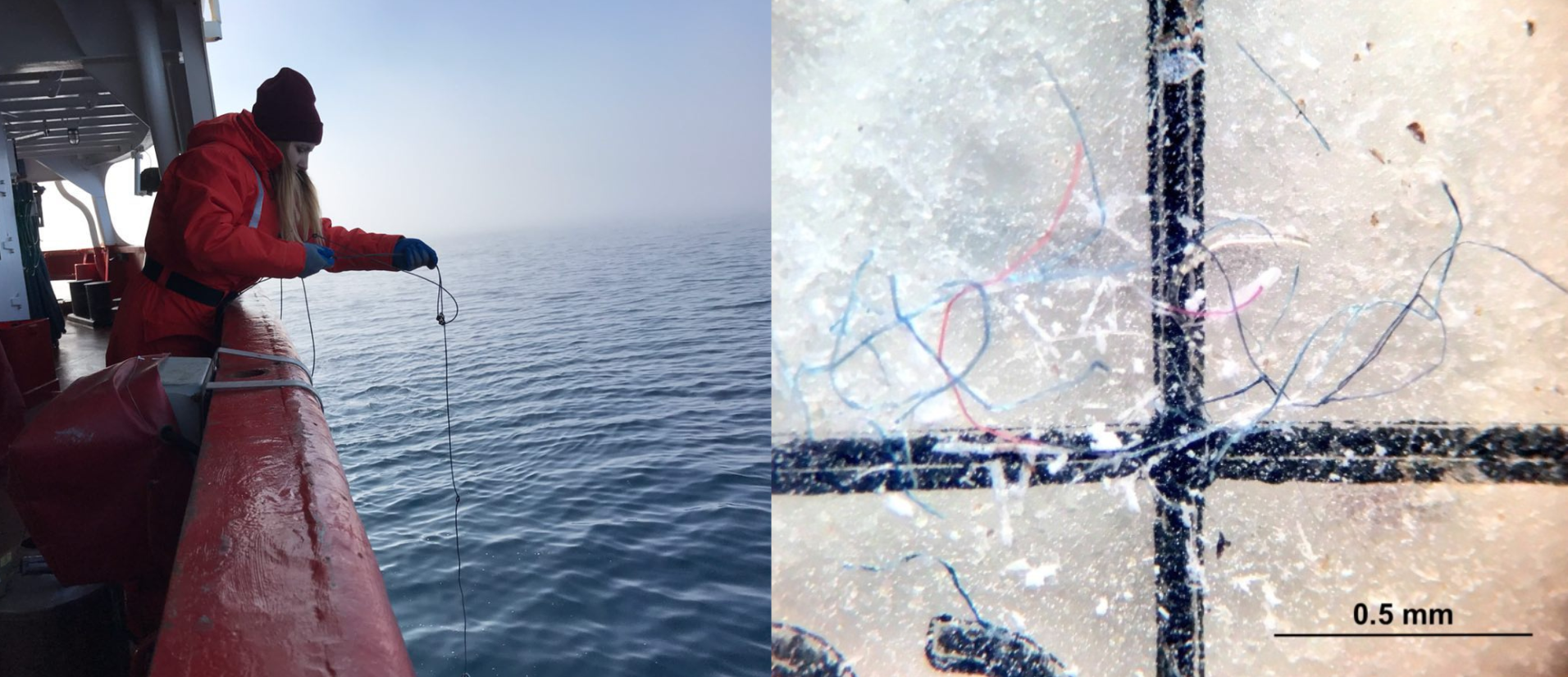
While microplastics may be small, their impacts on the environment are not. Plastic can affect ecosystems at every level; from individual organisms to entire food webs. Because our waterways are all connected, what enters the environment upstream can ultimately affect the quality of the water we rely on downstream, including our drinking water.
A recent survey found 82% of Americans are concerned about the presence of microplastics in drinking water. They have good reason to be as scientists have documented microplastics in human brains, hearts, reproductive organs, lungs and feces. Scientists are still working to understand the full ecological and human-health implications of microplastic exposure, but we already know enough to recognize that preventing plastic from entering our waterways in the first place is critical.
Upstream Solutions
If a plastic bottle can travel from a street to a storm drain, from a storm drain to a river, and from a river to the ocean, then protecting water quality requires us to look at the whole system. We need solutions that prevent plastic from becoming waste in the first place.
There are steps YOU can take right now to reduce plastic pollution including:
- Carry reusable water bottles, cups, bags, utensils, and food containers instead of relying on single-use plastics.
- Choose products with less packaging and avoid unnecessary single-use plastic when practical.
- Wash synthetic clothing less frequently when appropriate and use a washing-machine filter or laundry bag designed to capture fibers.
- Keep plastic and other litter out of the environment by disposing of waste properly and participating in local cleanups.
- Use your voice! Talk with your community, support businesses and policies that reduce plastic waste, and encourage decision-makers to address plastic pollution at its source.
Individual policy choices are only part of the solution. Effective policy solutions that address plastic pollution at its source exist! These often work by eliminating harmful, unnecessary single-use plastic and advancing circularity for plastics (circularity means designing products and systems so that materials stay in use for as long as possible). This is where collaboration becomes essential.
The Role of Youth Leaders
Policymakers are considering policies that can reduce plastic production and waste. Businesses and innovators are developing alternatives and systems designed to keep materials in use and out of the environment. And young people are increasingly stepping into leadership roles, bringing new ideas and urgency to the conversation.
That is why the Marine Plastics Ambassadors program invests in young leaders who are ready to turn concern into action. In 2026, EarthEcho welcomed its largest cohort yet, bringing together young changemakers for training in marine plastics, policy, communication, and advocacy. Ambassadors are leading campaigns in their own communities and engaging directly with policymakers to advance solutions that reduce plastic pollution and protect watersheds and ocean environments. To date, Marine Plastics Ambassadors have inspired over 18,000+ people to take action on plastic pollution and engaged 75+ policymakers in support for policy-based solutions.

Their work reflects an important truth about water quality: what happens upstream matters downstream.
Keeping plastic out of the waterways does not begin at the shoreline. It begins in our homes, schools, businesses, communities, and policies. Whether you live 1,000 miles or 1 mile away from the ocean, your upstream actions make an impact. It takes scientists asking better questions, communities and businesses testing solutions, policymakers listening to the people they represent, and young leaders building the momentum needed to turn good ideas into lasting change.
This Water Quality Month, we can celebrate clean water not only by appreciating the rivers, lakes, wetlands, and oceans that sustain us, but by asking a bigger question: What can we change upstream to keep them clean in the first place?
The good news is that the work is already underway and a new generation of leaders is helping to lead the way.
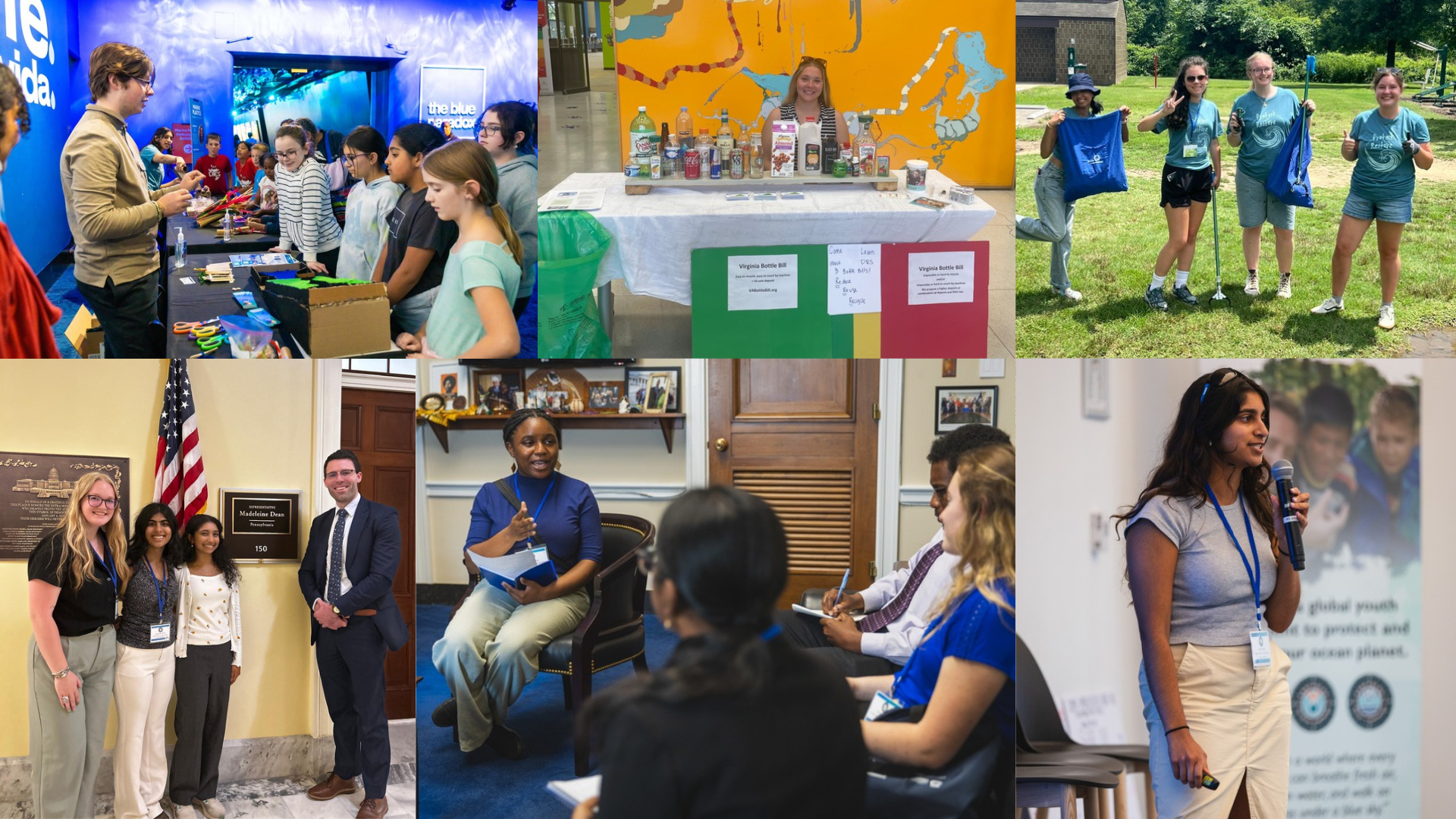
This month we offer four blog posts that explain the role of water quality through the lens of water policy, biodiversity and blue carbon ecosystems, marine plastics and debris, and learning about your local water quality.