Building a Youth Movement for Our Ocean Planet - Reflections on International Youth Day
This blog post was written by Sean Russell, Director of Youth Engagement at EarthEcho International.
A major misconception in environmental conservation work is that young people are the leaders of the future. After spending the last fifteen years working to engage and support young environmental advocates, and starting my own journey as one of them, I can say with confidence that they're already leading today.
Growing up in south Florida, my connection to our ocean planet and environmental conservation began at an early age. Experiential education programs in my community gave me the opportunity to see environmental challenges right in front of me, and motivated me to take action—organizing fishing line recycling campaigns and events to train other young people to launch their own conservation projects. These experiences fundamentally changed how I though about conservation in action. I saw firsthand that youth aren't simply the next generation of environmental leaders. They are leaders today, capable of mobilizing their peers, inspiring their communities, and driving meaningful action. That realization has guided my work ever since.
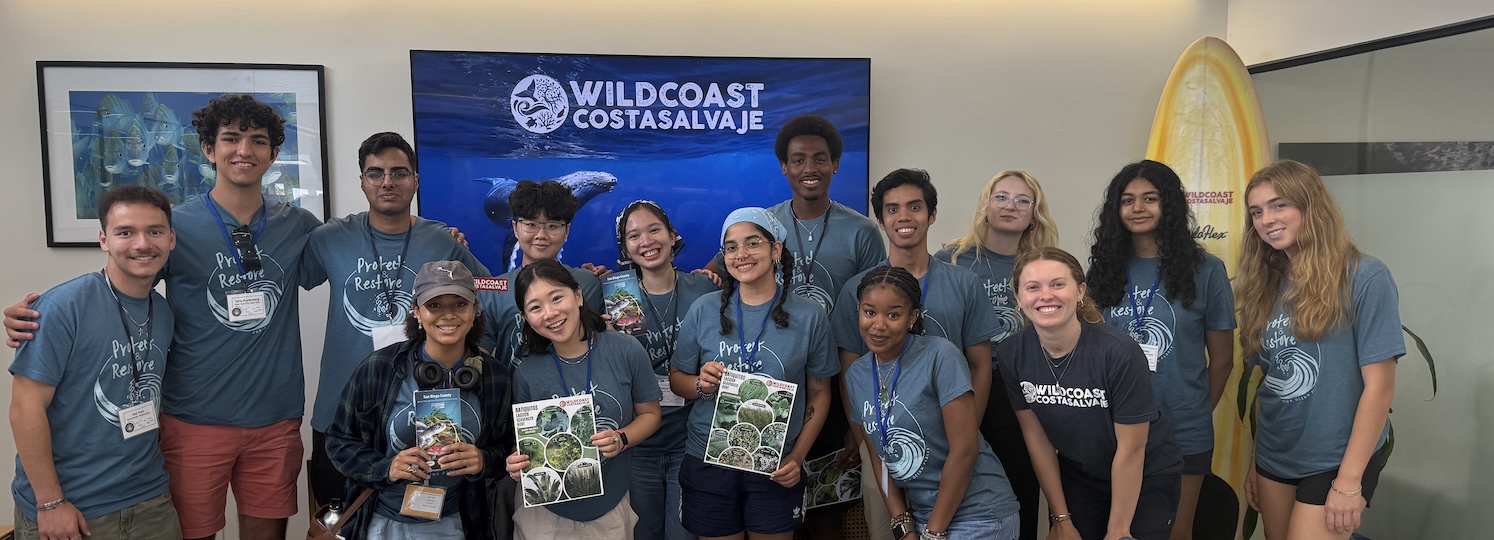
Over the past decade at EarthEcho International, I've had the privilege of building an ecosystem of opportunities that connect young people with the networks, training, funding, and tools they need to protect and restore our ocean and freshwater ecosystems.
%20copy.jpg)
As we celebrate International Youth Day, I'm reminded that young people don't need to wait until they're older to become conservation leaders. They need opportunities. They need mentors. They need a community that believes in them. Most importantly, they need meaningful pathways to contribute—not years from now, but today. Too often, young people are invited into environmental conversations only after decisions have already been made. They're asked for their opinions but not trusted with leadership. At EarthEcho, we’re working to change that—creating pathways that help young people develop the skills, relationships, confidence, and experiences needed to drive meaningful environmental impact while becoming lifelong advocates for our ocean planet.
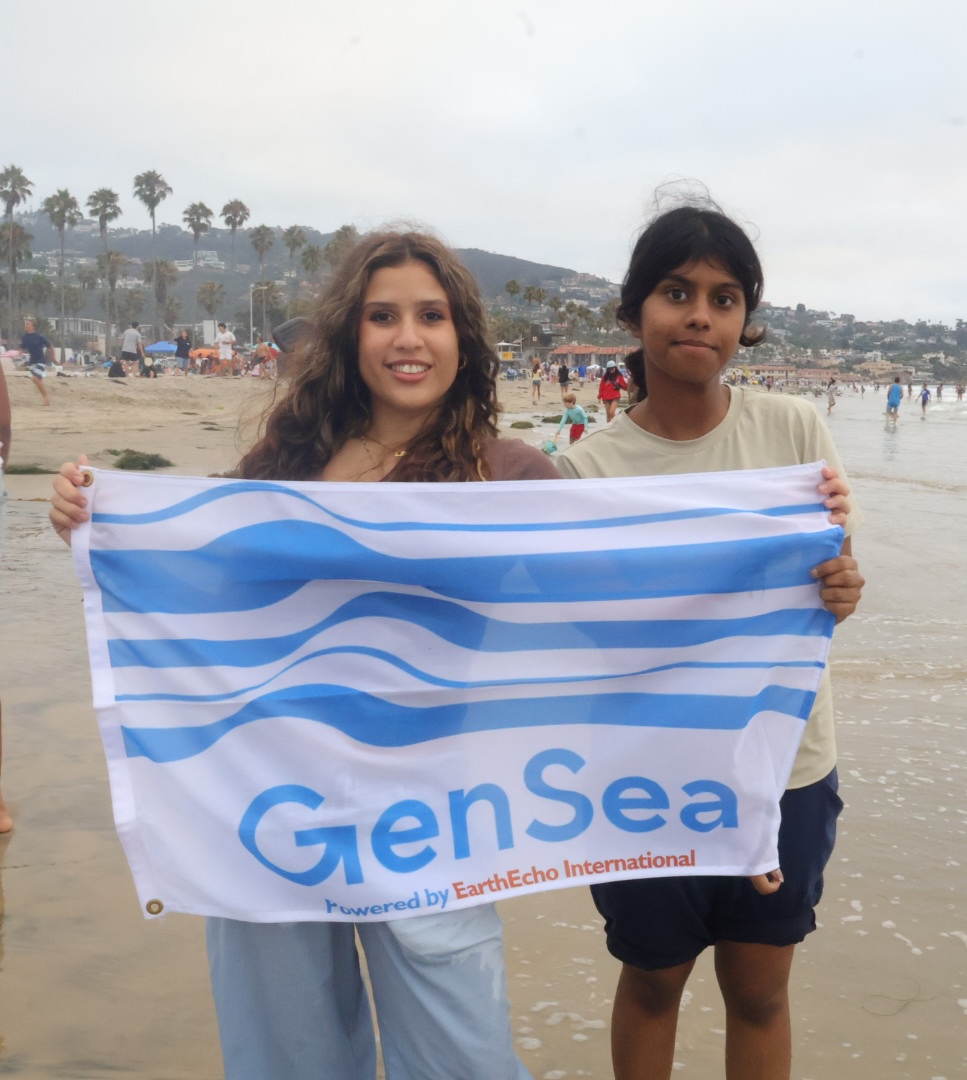
For some, that journey begins with testing water quality in their local stream through the EarthEcho Water Challenge with the support of a teacher or community mentor. Others discover our GenSea community while looking for ways to connect with their peers around the world who share their passion. Still others attend our Youth Leadership Summits, build on their experience by leading advocacy campaigns as an Ocean Protection Ambassador, and go on to shape our work by serving on our Youth Leadership Council. We recognize that each young person comes to our programs with different interests, talents, and goals. By providing multiple entry points, we’re working to meet young people where they are to ensure they have a place in the conservation movement.
What connects all of these experiences is a simple belief: leadership isn't something you earn after years of experience. Leadership is something you develop by practicing it. That means facilitating community conversations, organizing local restoration projects, speaking with elected officials, mentoring younger participants, leading workshops, collaborating across cultures, and representing youth perspectives in spaces where those voices have historically been missing. Along the way, our participants gain technical skills, communication experience, professional networks, and the confidence that comes from realizing they can create meaningful change.
The most rewarding part of this work is watching those journeys unfold:
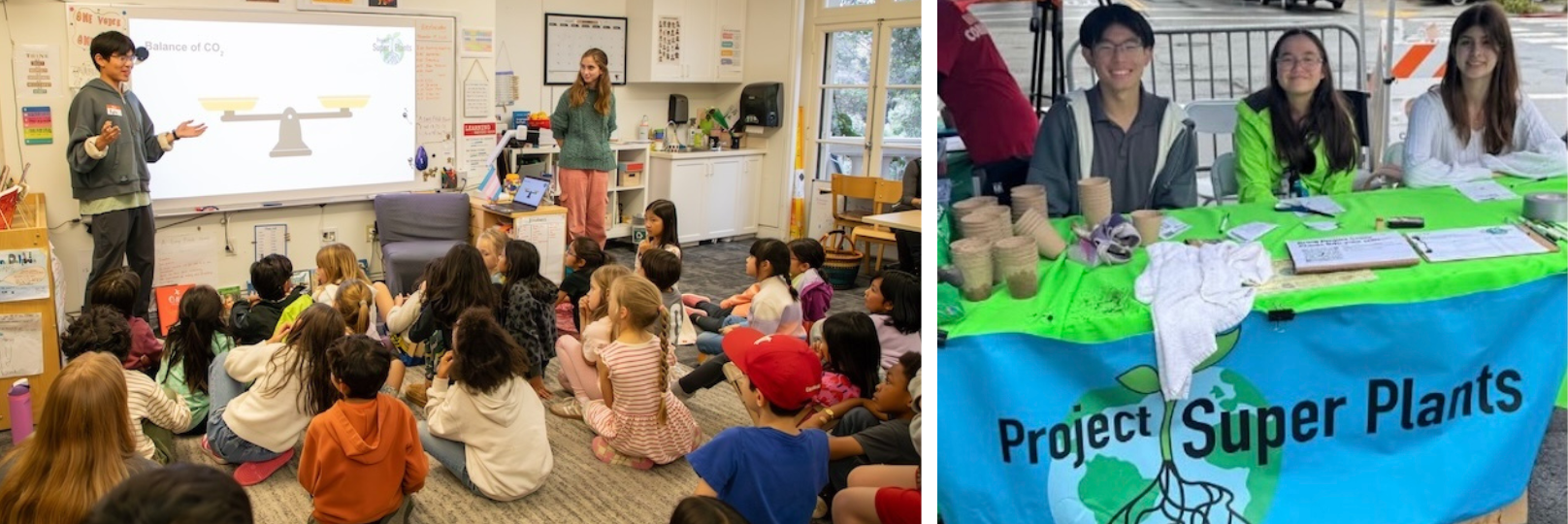
For Harper Fortgang, that journey began with a question. In sixth grade, after learning about photosynthesis, Harper wondered whether plants could be supercharged to store more carbon and help address climate change. That curiosity led Harper and two classmates to EarthEcho’s OurEcho Challenge, where they proposed Project Super Plants, a youth-led organization using native plants to engage young people in climate action. With support from EarthEcho, their idea received funding to grow. What began as a team of three became 45 high school students across six schools, working with over 4,700 students through classroom visits, workshops, webinars, and science fairs across five states. For Harper, EarthEcho provided the support and guidance to turn a question into action —an action that continues to inspire other young people to follow in her footsteps.
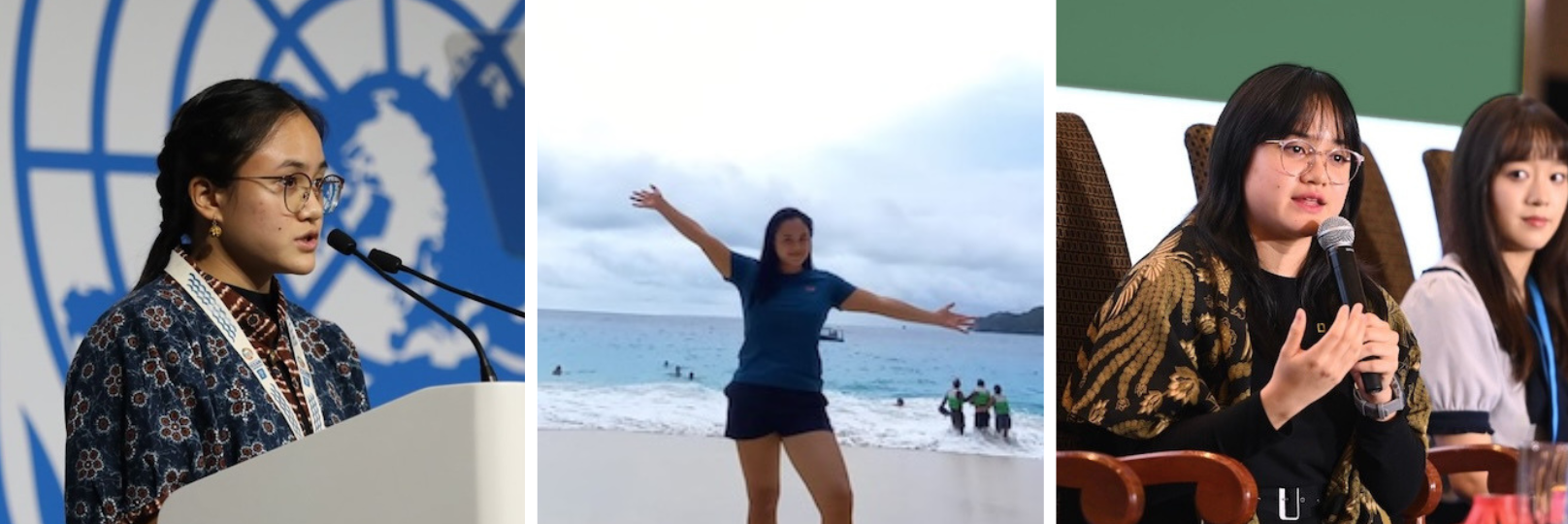
For Brigitta Gunawan, EarthEcho opened a door to a world she knew she wanted to be part of, but didn't yet know how to enter. Brigitta first connected with EarthEcho in 2021 as a high school student with a passion for ocean conservation but little experience in the field. Through EarthEcho’s Ocean Protection Ambassador program, she launched 30x30 Indonesia to build momentum for the global conservation goal of protecting at least 30% of the ocean by 2030. A year later, she stood alongside heads of state in the plenary hall of the United Nations Ocean Conference in Lisbon, Portugal as an EarthEcho delegate, delivering a speech on the role of youth leadership in achieving this target.
That experience was just the beginning. Brigitta went on to serve on EarthEcho's Youth Leadership Council and as a High Seas Youth Ambassador while continuing to build 30x30 Indonesia and Diverseas, two initiatives that have since engaged more than 22,000 people and grown into a nonprofit foundation in Indonesia. She went on to study conservation biology and has continued building a career around creating positive change. Reflecting on her experience, Brigitta shares, "EarthEcho gave me the opportunity, trust, and support that were beyond what I thought was possible."
Finally Siyeon Joo’s story reminds me that leadership doesn't always begin with a big idea or a global stage. It can start with something as simple as showing up for your local community.
In 2022, Siyeon became a Water Challenge Ambassador, conducting monthly water quality testing on the Vermillion River and uploading the results to our global database. From there, she connected with a global network of her peers through our GenSea community. Siyeon was selected to serve on EarthEcho’s Youth Leadership Council, helped organize cleanups and advocacy workshops, hosted Youth Leadership Summits, mentored other young leaders, and contributed to shaping EarthEcho's mission and vision. In 2026, her peers elected her to a two-year term on EarthEcho's Board of Directors. Siyeon captures this journey perfectly: “My EarthEcho story started small, and that's exactly why I'm proud of it.”
Her journey also highlights something deeper about what it means to be a young person working in conservation.
"Being young in the environmental space often means proving you belong before anyone lets you lead," she said. "EarthEcho is one of the few places that taught me joy and persistence aren't a break from that work. They're the whole reason we need to trust young people more."
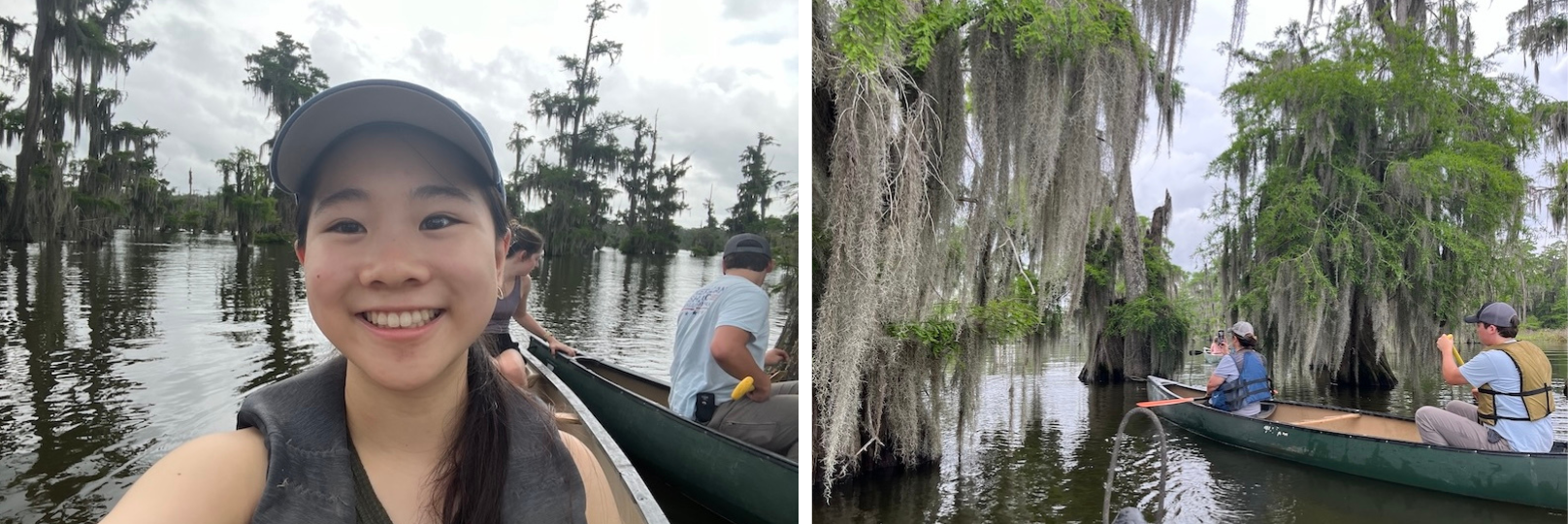
Harper, Brigitta, and Siyeon's stories look very different. What connects them is that each young person was given something more than inspiration: they were given an opportunity to act, the support to grow, and the trust to lead.
Over the last ten years, I've had the privilege of watching hundreds of young people like Harper, Brigitta, and Siyeon grow through EarthEcho experiences. Some have pursued careers in marine science, environmental education, public policy, communications, or nonprofit leadership. Others have taken what they've learned back to their own communities, schools, and workplaces, regardless of their chosen career path. Many stay connected with EarthEcho long after completing a single program because they become part of a community that continues to learn from and support one another. As our network of program participants and alumni grows, we’re increasingly seeing them take on roles as mentors, advisors, and collaborators, supporting our work while helping their peers discover their own leadership potential.
This continuity matters because conservation isn't finished when a policy is adopted, a cleanup is deemed successful, or a protected area is established. Lasting impact depends on generations of people who will continue championing, implementing, strengthening, and defending those commitments over time. By investing in young people today, we're helping build the leadership—and the public support—that will ensure ocean conservation is durable for decades to come.
On International Youth Day, I challenge us all to celebrate more than just the energy and passion young people bring to conservation. We must recognize their expertise, creativity, and ability to lead today—not someday. Whether you're a young person looking for an opportunity to make a difference in your community, a parent encouraging your child to pursue their passion, an educator searching for meaningful experiences for your students, or a partner looking to invest in the next generation of environmental leaders, I hope you see what we see every day at EarthEcho: when young people are trusted with real responsibility, provided with the right support, and connected to a community that believes in them, they don't just participate in conservation—they transform it.
The future of our ocean depends on the leaders we invest in today. At EarthEcho, we're working to ensure that every young person with a passion for our blue planet has access to the experiences, resources, and community they need to turn that passion into action and on International Youth Day we invite you to join us in this work.