Regardless of What You Do, It Matters: Cleaning Litter to Calling for Change
This blog post was written by Ariane Lemaire, a 2026 Marine Plastics Ambassador.
Convenience and glamorization of over-consumption increases each year. Social media trends, fast fashion, barriers regulating polluters, inaccessibility of sustainable goods, and resource exploitation pushed our planet to reach Earth Overshoot Day on July 30th this year. While our world becomes increasingly cluttered and chaotic, individual choices and civic action matter.
This summer, a week before Earth Overshoot Day, I spent five days in Washington, D.C. exploring our roles in combating environmental degradation. Plastic pollution litters shorelines and mountains, threatens wildlife, and endangers public health. With family spanning the coasts of California, the Caribbean, Florida, and North Carolina, I have observed increasing amounts of plastics washing up on beaches and listened to startlingly similar stories.
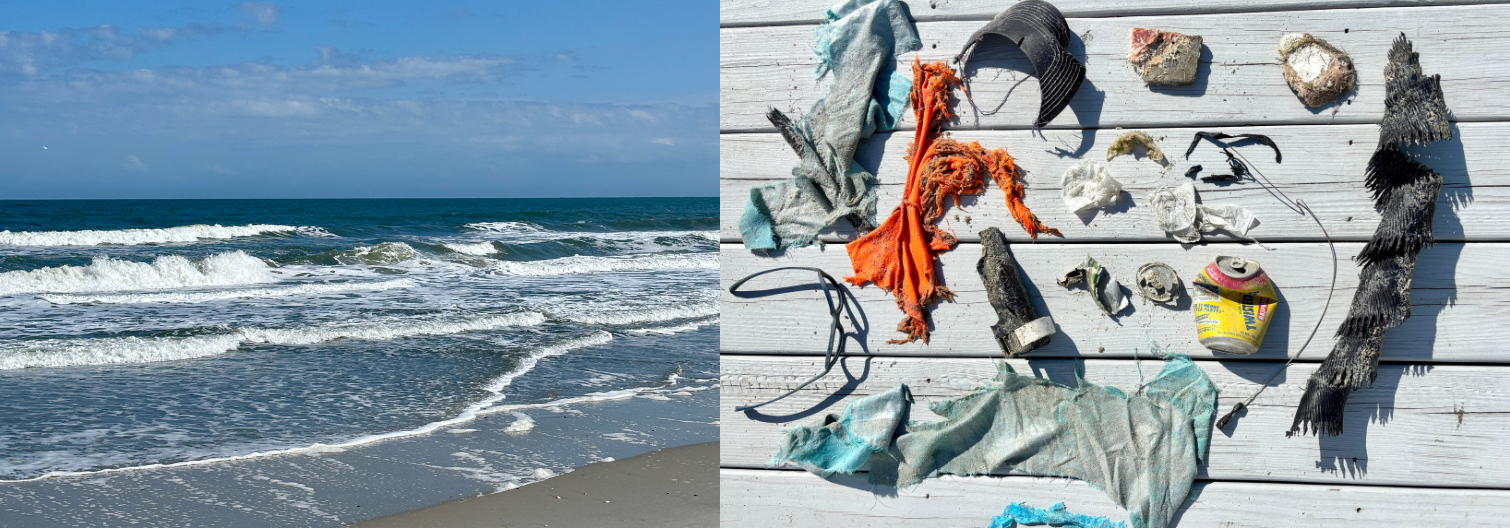
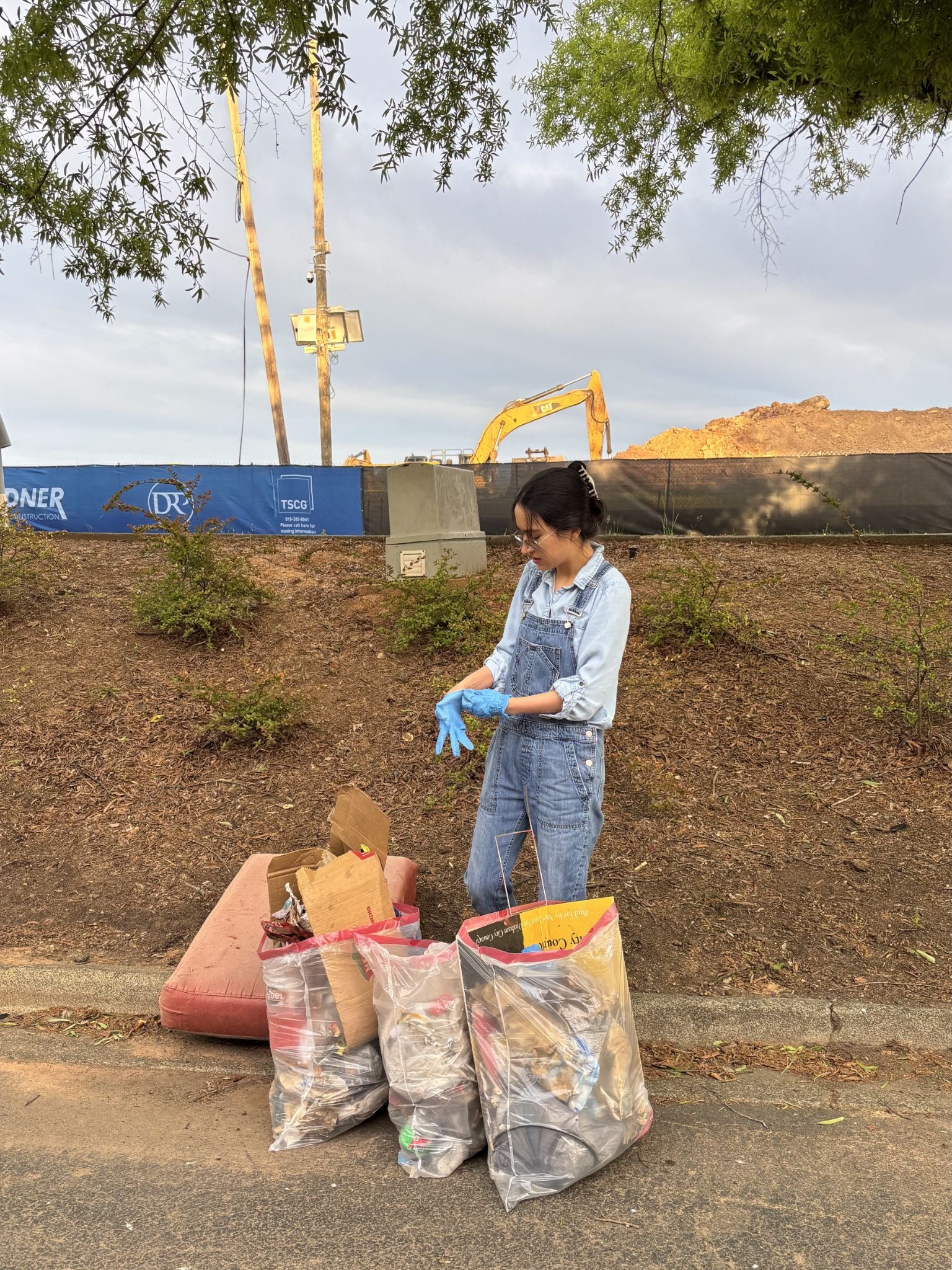
As a Marine Plastics Ambassador with EarthEcho International, I learned how to reframe these complex problems to engage my community and elected officials. Following training and workshops with fearless professionals shifting manufacturer standards, preserving Marine Protected Areas, and uplifting narratives through digital organizing, I got to work.
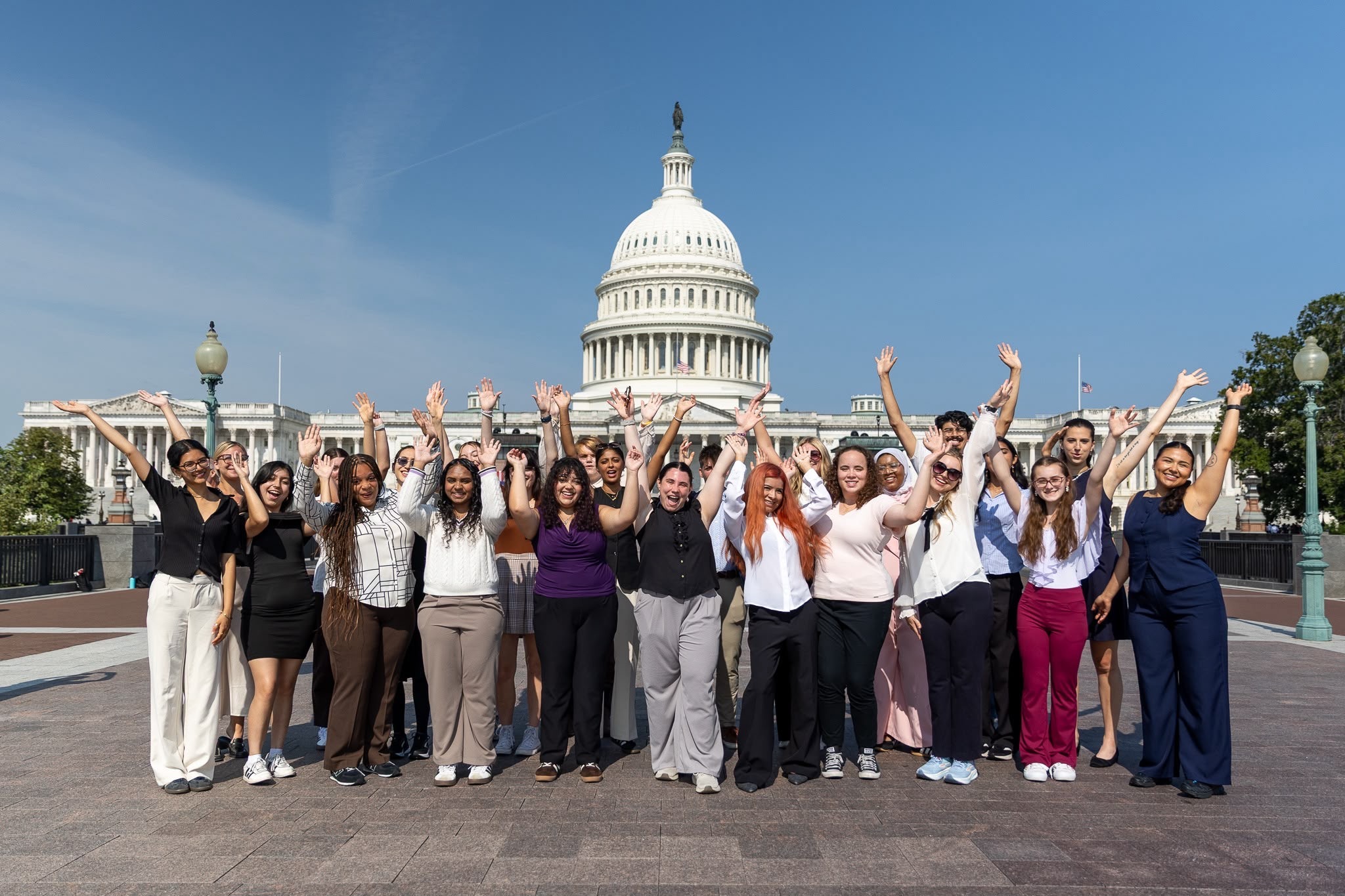
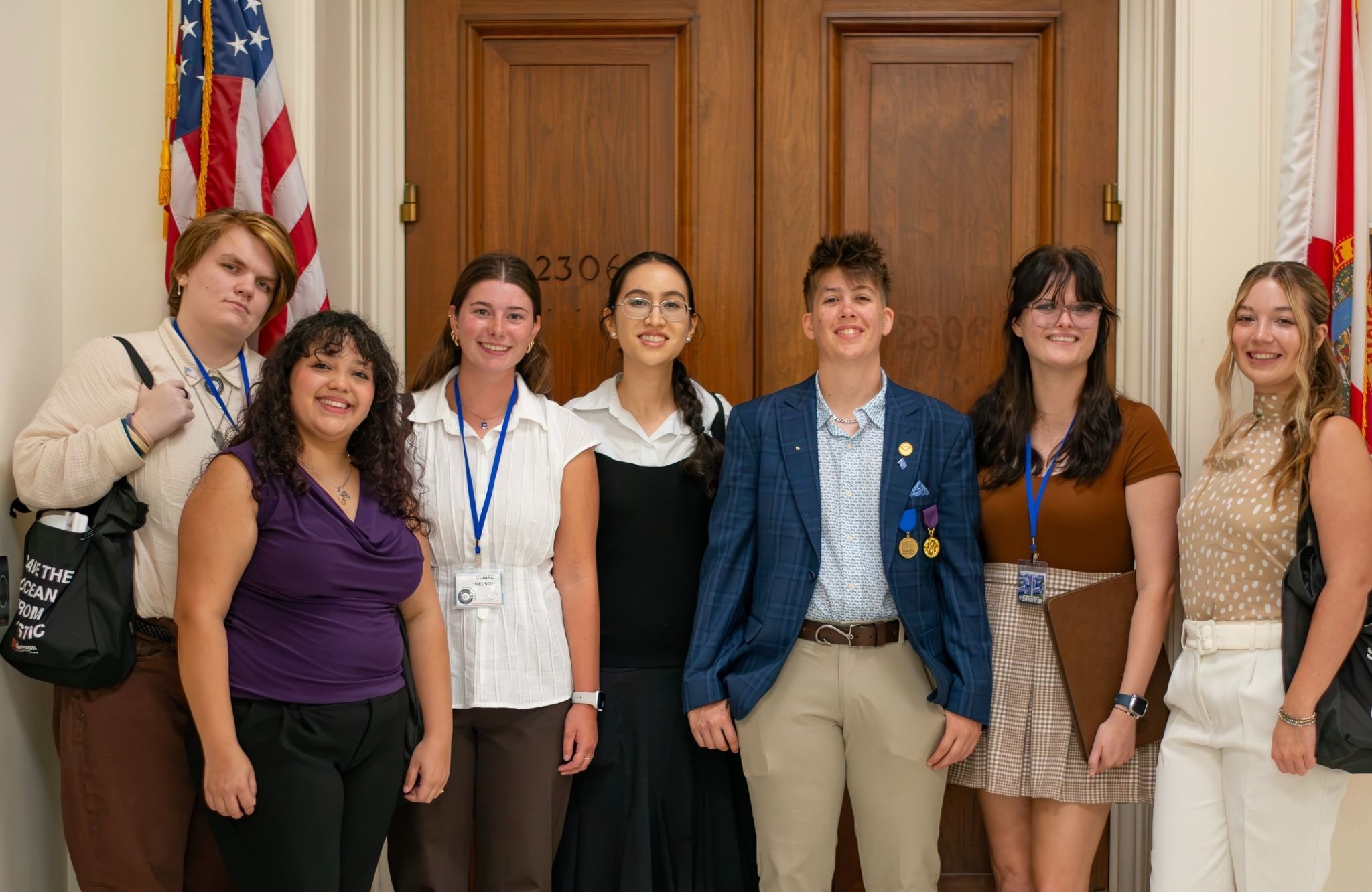
I built a campaign over four months from the ground-up with support from Dr. Sam Athey, a microplastics researcher and leader of the Marine Plastics Ambassadors, and arrived in D.C. ready to take my voice further. Along with 24 ambitious changemakers from across the United States, I brought my experiences to Capitol Hill and advocated for legislative action targeting microplastics health research, Extended Producer Responsibility, and reuse and recycling infrastructure.
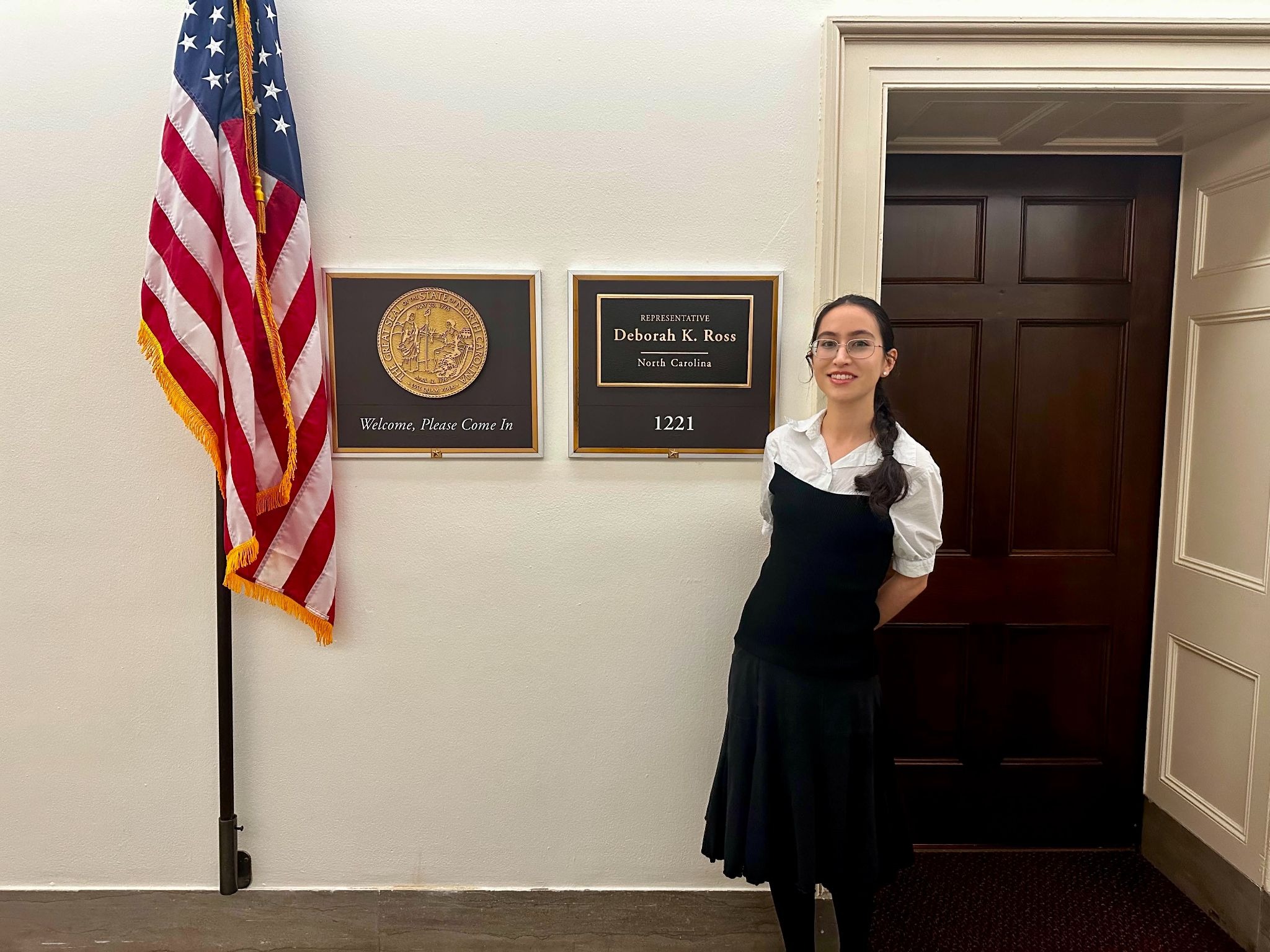
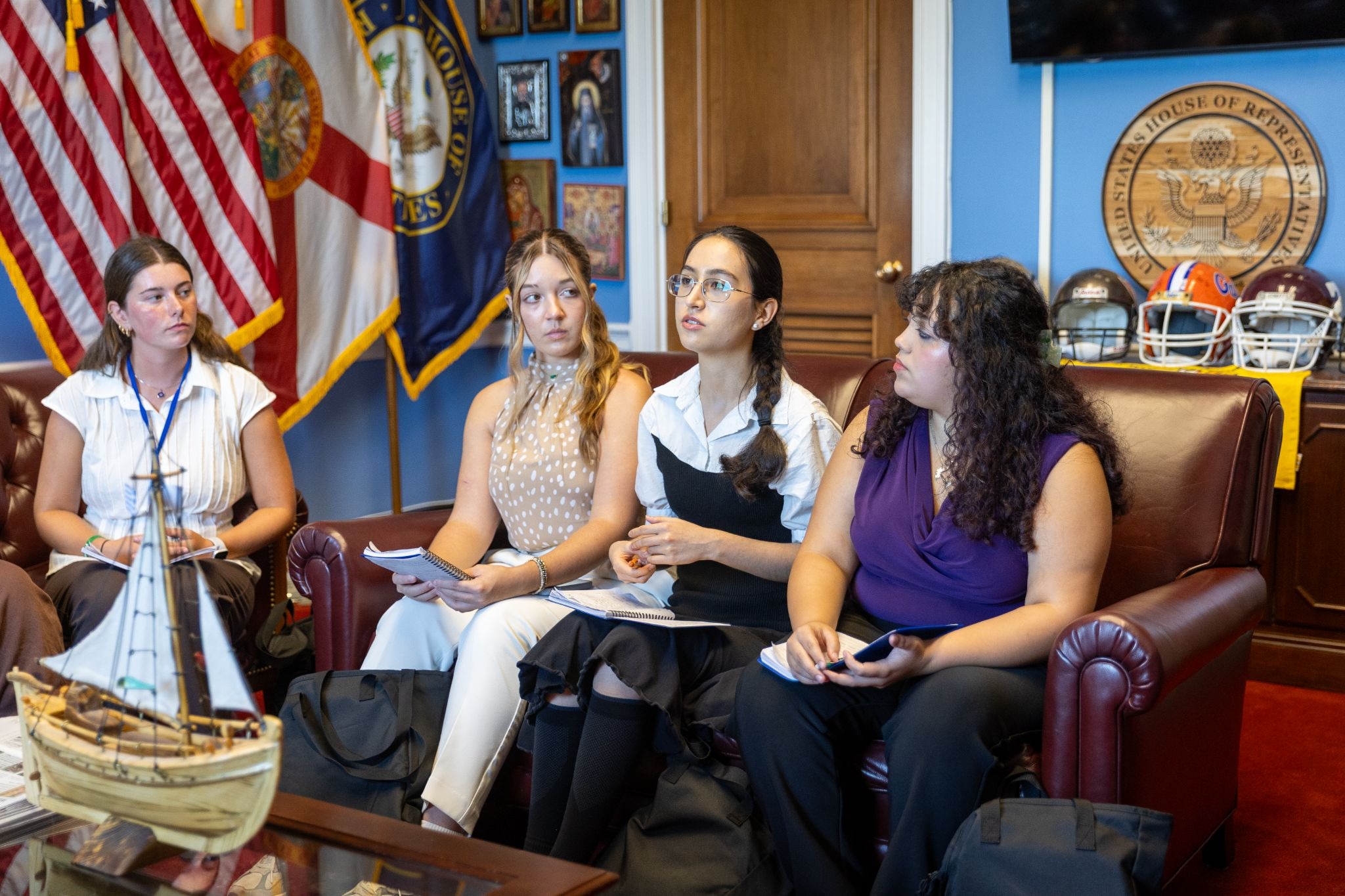
My team from North Carolina and Florida met with the offices of Representative Deborah Ross, Senator Rick Scott, Representative Mike Haridopolos, and Representative Gus Bilirakis and shared strategies to keep our neighborhoods clean. With the Cape Fear River polluted by PFAS (a forever chemical used in plastic) and an estimated 230 billion microplastic particles flowing from the Neuse River Basin to the Pamlico Sound annually, these conversations are important.
Politicians, despite their fame and power, are people, serving people. Bombarded with information, putting a face to the issues can spark a fresh perspective of an existing problem. Many officials we met endorsed conservation-minded policies, but had not been informed of new legislation tackling the plastic pollution crisis simply due to the sheer number of bills that pass over their desk.
In daily life as a young person and environmental science student, I often hear panic, guilt, and doubts that individual choices make a difference. Although challenging times are ahead, serving as a Marine Plastics Ambassador has shown me that habits big and small have an impact. You can divert waste from waterways and participate in a circular economy by selling your lightly used items, skipping a packaged snack for something you made in advance, reusing plastic bags, upcycling trash into art, and picking up litter on a daily walk. Build friendships and partnerships and reach out to your government representatives, whether it be on a local, regional or national level.
As a resident of a community, you are a rightful contributor in shaping the future of our planet and your concerns, brainstormed solutions, and hard work deserve to be heard.