

From Pittsburgh's Rivers to the Pacific Ocean: A Water Challenge Ambassador’s Conservation Journey
This blog post was written by Jordan Evans, a 2025–2026 EarthEcho Lead Water Challenge Ambassador and a 2024–2025 Water Challenge Ambassador.
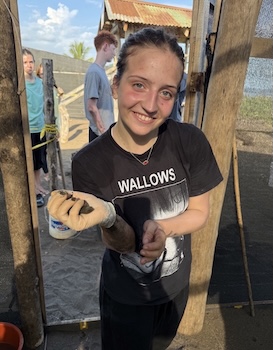
Earlier this June, I was able to participate in Rustic Pathway’s Turtle Conservation Project in Costa Rica. The core of this experience was conducting hands-on field work with turtles in Camaronal Wildlife Refuge.
Alongside 11 other like-minded peers, I was able to complete a variety of projects including releasing baby turtles, digging nests for gathered turtle eggs, beach cleanups, measuring the high tide, and night walks to protect eggs from threats such as raccoons and poachers. While I am incredibly interested in the conservation of the ocean in relation to water conservation, living in western Pennsylvania limits the range of my work to rivers and lakes. This conservation program was transformative to me as a conservationist as it exposed me to a field I have never taken part in. Throughout my week in Costa Rica, my view of the importance of marine conservation greatly expanded. Working in not only a new area, but country as well made my perspective shift from the rivers of Pittsburgh to the Pacific Ocean and its sea turtles.
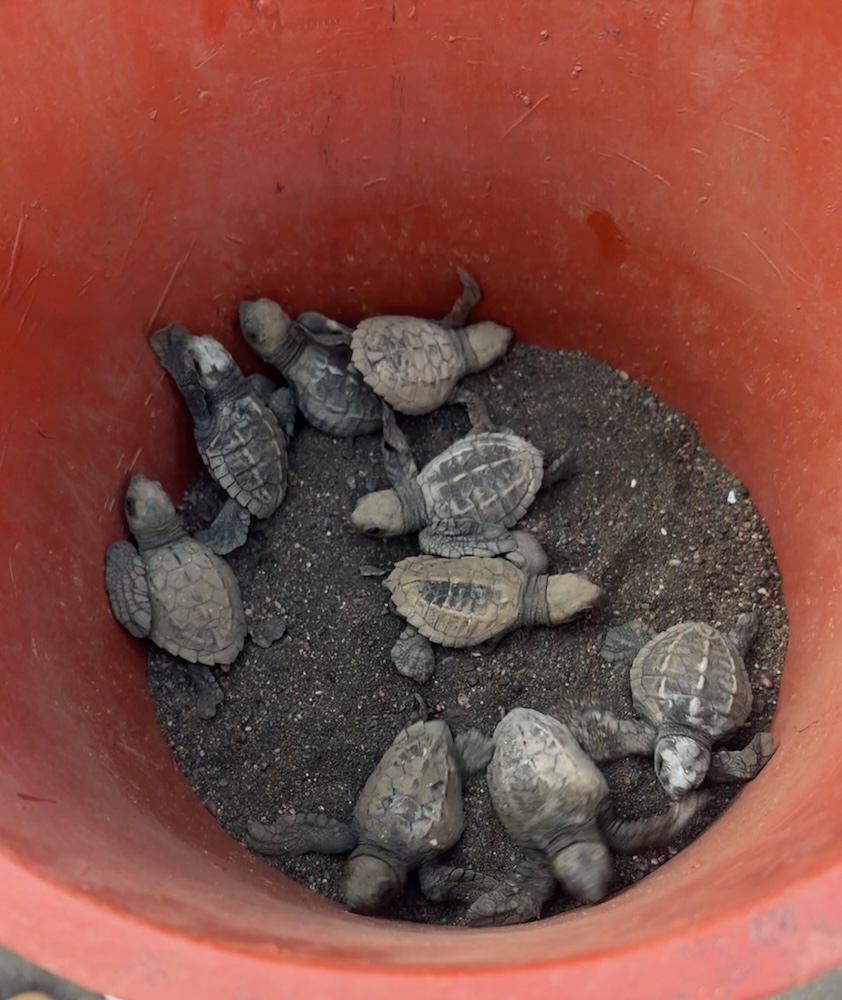
While all of our conservation work was self-altering for me, it was a conversation I had with our guide at the refuge that especially stuck with me. After one of our program leaders told him how I was interested in environmental conservation as a future career, he expressed how grateful he was to hear that younger generations are interested in this field. Additionally, he told me how even in Costa Rica, the country with the highest density of biodiversity, that conservation is often underfunded and short-staffed. Even Camaronal Wildlife Refuge itself relies heavily on volunteers to conduct turtle conservation work. This information shocked me after witnessing the impact of the work I had conducted. However, it only reinforced my commitment to participating in conservation and spreading awareness about its importance. Especially after saving/releasing turtles and observing the incredible biodiversity Costa Rica contains, it made me grasp the importance and benefit of conservation beyond just my hometown.
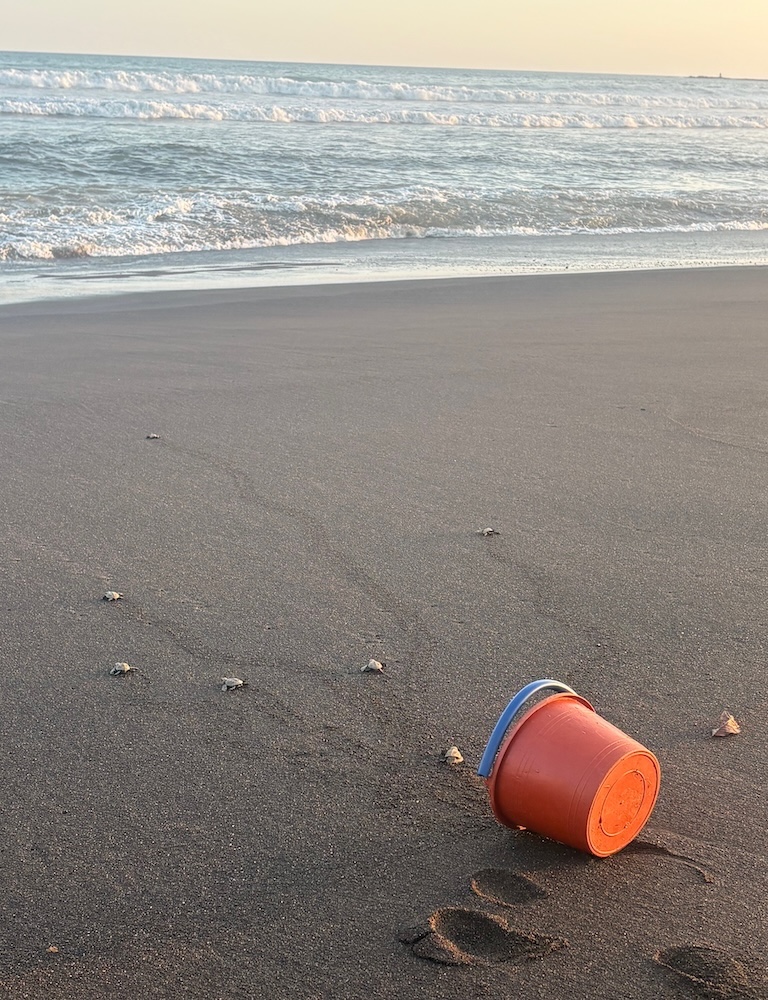
As alluded to before, our work with the turtles was set against the backdrop of the Pacific Ocean. While our valuable conservation work provided me with much gratitude and hope for our environment, the trash and litter which often washed up on shore reminded me of the issue of water pollution. While we did all we could on land to set up the baby turtles for success as they made their way to the ocean, polluted waters greatly threatened the livelihood of the turtles and the health of their habitat.
While it is generally well known that trash such as plastic straws and bags jeopardize the lives of turtles, there must be action behind this notion. After being one of the volunteers at Camaronal Wildlife Refuge and handling turtles myself, I realize that there are few willing to conserve our waterways and the marine life which inhabit it.
Working in a country with an environment that was completely new to me made me realize that if we don’t step up to conserve our Earth, there is no one else who will.