


Bio-Bloques Diseño STEM de Hábitat de Peces
Por décadas, las poblaciones mundiales han emigrado cada vez más hacia las regiones costeras. Esta colonización de la costa por parte de los seres humanos ha dado como resultado que grandes áreas de lo que antes eran litorales rocosos, marismas salobres y ciénagas se convirtieran en un entorno alterado y construido para las personas. Además, con el constante aumento del nivel del mar, se están implementando defensas costeras para proteger a los pueblos y ciudades del agua de los océanos. Estas defensas están reemplazando los hábitats naturales que juegan un papel vital en el ciclo de vida de los peces, incluyendo: lugares de desove, criaderos y fuentes de alimento planctónico. Lo cual a su vez está afectando las poblaciones de peces en los océanos. Durante la última expedición de EarthEcho, Pesca sostenible: Desafío entre redes el equipo se reunió con la Dra. Louise Firth, profesora de Ecología Marina en la Universidad de Plymouth. Su estudio investiga maneras en las que podemos hacer espacio para la naturaleza en entornos dominados por humanos. En esta lección, los estudiantes obtendrán un entendimiento básico de la idea de que los hábitats específicos son esenciales en el ciclo de vida de algunas especies. Los estudiantes trabajarán a través del proceso de diseño en la ingeniería para construir una solución tipo “bio-bloque” que produzca un rompeolas que sea al mismo tiempo más amigable con la naturaleza y que proteja la costa contra inundaciones.
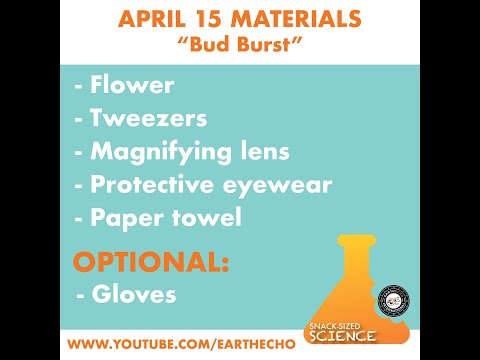
Snack-Sized Science: Bud Burst
EarthEcho invites you to play along with us during “Snack-Sized Science”. These brief and interactive science demos with the EarthEcho team are meant to help your young-learners get excited to investigate the fascinating world of SCIENCE and hopefully explore more of EarthEcho’s digital resources...maybe even on their own! Join EarthEcho as we explore the anatomy of flowers! During this demonstration, you can follow along and dissect a flower from your own backyard. Learn the different parts of a flower and why they are important. You can even become a citizen scientist by exploring the website https://budburst.org. Get outside and explore the plants in your community today!


Snack-Sized Science: Backyard Biodiversity
EarthEcho invites you to play along with us during “Snack-Sized Science”. These 15-minute interactive science demos with the EarthEcho team are meant to help your young-learners get excited to investigate the fascinating world of SCIENCE and hopefully explore more of EarthEcho’s digital resources...maybe even on their own! Join EarthEcho as we dive into biodiversity! Explore your neighborhood, backyard or even your home to find what kind of biodiversity lives in your world. During this session, participants will learn how to bring biodiversity to them by building backyard bird feeders and baths. We suggest downloading the iNaturalist app to help you identify species you find AND to become a citizen scientist. Keep exploring!
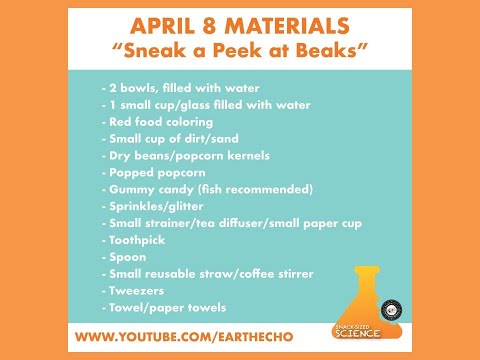
Snack-Sized Science: Sneak a Peek at Beaks
EarthEcho invites you to play along with us during “Snack-Sized Science”. These 15-minute interactive science demos with the EarthEcho team are meant to help your young-learners get excited to investigate the fascinating world of SCIENCE and hopefully explore more of EarthEcho’s digital resources...maybe even on their own! Join EarthEcho as we take flight into the wonderful world of bird beaks and adaptations! During this science demonstration, students will use different tools to learn about different bird beak adaptations and describe how these beaks are adapted to feed on different types of food found in different habitats.

Snack-Sized Science: pHabulous pHun with pH
EarthEcho invites you to play along with us during “Snack-Sized Science”. These 15-minute interactive science demos with the EarthEcho team are meant to help your young-learners get excited to investigate the fascinating world of SCIENCE and hopefully explore more of EarthEcho’s digital resources...maybe even on their own! Snack-Sized Science: pHabulous pHun with pH! Join us as have some fun with pH and make our own pH indicator! Get ready to play along with your own experiments as we guide you through this demonstration.
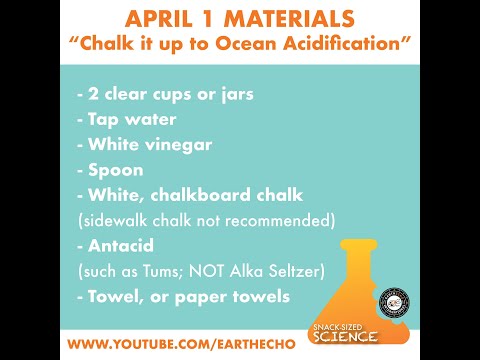

Snack Sized Science: Chalk It Up to Ocean Acidification
EarthEcho invites you to play along with us during “Snack-Sized Science”. These 15-minute interactive science demos with the EarthEcho team are meant to help your young-learners get excited to investigate the fascinating world of SCIENCE and hopefully explore more of EarthEcho’s digital resources...maybe even on their own! Snack-Sized Science: Chalk It Up to Ocean Acidification Join us as we dive into pH and ocean acidification. Get ready to play along with your own experiments as we guide you through this demonstration.

¿Cuál es el interés? Una lección práctica sobre el manejo de pesquerías
Una pesquería es una región geográfica que contiene una población de especies acuáticas que son un recurso natural, el cual necesita ser manejado. Este manejo requiere personas de di ferentes orígenes que se mueven en diferentes áreas, como partes interesadas, científicos, pescadores, grupos gubern amentales y ciudadanos. El objetivo de la gestión de la pesca es garantizar que las diferentes poblaciones de peces sea n sostenibles y un recurso para uso actual y futuro. Puede ser algo difícil de manejar, ya que las personas dependiendo de su rol tendrán diferentes prioridades. Por ejemplo, un pescador puede no favorecer un límite en la cantidad de un d eterminado pez capturado porque puede afectar negativamente sus ingresos. Antes de utilizar esta actividad co n sus alumnos, revise el concepto de sostenibilidad con ellos. La pesca debe ser un proceso en el que las especies de p eces se mantienen en una determinada población para garantizar su supervivencia, la salud de la red alimentaria y l as necesidades de los pescadores y los ciudadanos que dependen del pescado como fuente de proteínas.

¿Cuál es el problema con la pesca de arrastre?
La pesca de arrastre comercial tiene un efecto devastador sobre la biodiversidad en las zonas donde se ha utilizado. Los grandes buques de arrastre comerciales han diezmado históricamente los ambientes marinos, y han disminuido significativamente las poblaciones de peces a un nivel en el que no pueden recuperarse. El impacto en las formas de vida asentadas en el fondo marino, conocidas como comunidades bentónicas, es devastador, siendo el principal culpable los buques de arrastre con plumas (barras metálicas) de hasta 12 metros, y muchas plumas a menudo desplegadas al mismo tiempo. Esta lección analiza el efecto de la pesca comercial de arrastre de fondo tanto en las poblaciones de peces como en la biodiversidad de la comunidad bentónica.