

Glen Hills Middle School Students’ Journey in Environmental Education
This blog post was written by Lalitha Murali.
Last summer, I had the privilege of participating in a transformative professional development program through the North American Association for Environmental Education (NAAEE). I was selected as one of 41 CEE-Change Fellows across North America. I am deeply grateful to EarthEcho International for nominating me for this incredible opportunity.
As a middle school gifted and talented coordinator and STEM educator, I continuously seek ways to foster ecological literacy, critical thinking, and a strong sense of environmental responsibility in my students. These experiences not only deepen student engagement but also support academic growth in science, math, and literacy. Middle school is a pivotal time to nurture environmental awareness, empowering students to understand ecosystems, analyze real-world challenges, and develop innovative solutions as informed future leaders.
Living near a major freshwater resource provides our community with both a unique opportunity and a responsibility.
To help students understand water conservation and environmental stewardship, I partnered with EarthEcho International and several local organizations to design interdisciplinary experiences integrating civic engagement, environmental science, and leadership development.

On September 18, 2025, one hundred 8th-grade students participated in a Canoe Mobile field trip on Lake Michigan. This “floating classroom” allowed students to paddle 24-foot Voyager canoes while exploring science, history, geography, and culture in an immersive setting. Shortly after, one hundred 6th-grade students conducted water testing and river cleanup activities at the Milwaukee River in Kletzsch Park, analyzing biotic indices and water quality. Our 7th and 8th-grade STEAM students, who had prior experience, served as mentors guiding younger students and reinforcing their own learning through teaching.

In October, our STEAM program hosted a community event focused on bats and their ecological importance, featuring a specialist from the Department of Natural Resources. The event welcomed over 50 participants, including families and community members. Additionally, our students extended their learning by teaching elementary students about clean water and environmental stewardship, fostering leadership and ownership of knowledge.
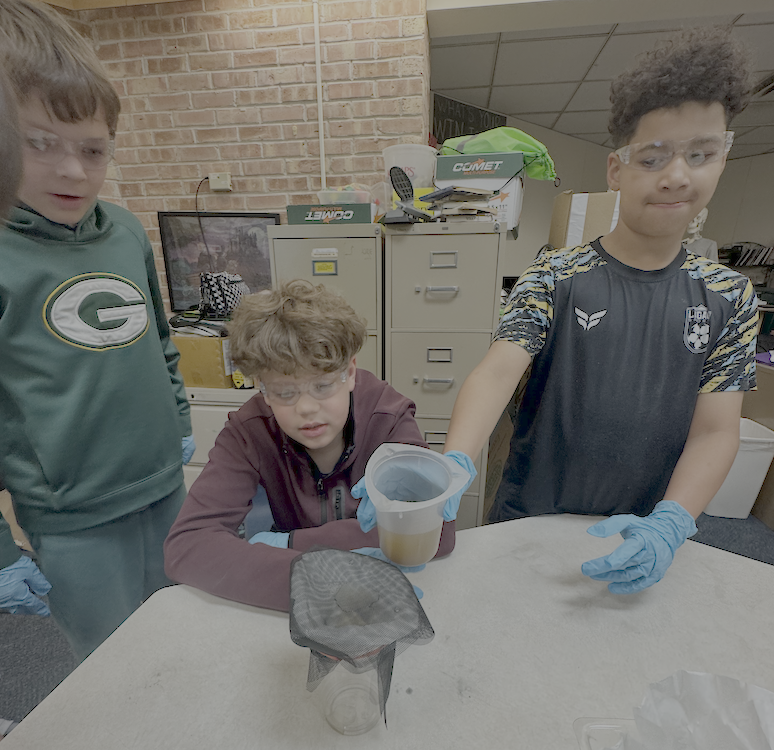
On December 13, 2025, we collaborated with more than 15 community partners, including Schlitz Audubon Nature Center, Discovery World, Milwaukee Public Museum, Milwaukee Riverkeeper, Wehr Nature Center, and UW–Milwaukee’s Freshwater Science Program to host a STEM Fair. This event engaged over 300 participants and highlighted environmental sustainability, water conservation, and STEM innovation.

Our NASA STEM Club students participated in the Tomato Sphere Program, comparing the growth of space-traveled tomato seeds with Earth-based seeds. Using grow lights, hydroponic systems, and natural sunlight, students collected and analyzed data, strengthening their scientific inquiry and analytical skills. They also explored climate solutions through Algae Academy, investigating algae’s role in addressing climate change and food security. Younger students engaged in a mushroom-growing project in collaboration with a fungi specialist from UW–Madison. By monitoring temperature and CO₂ levels, students gained hands-on experience with decomposition, nutrient cycling, and sustainable food systems.
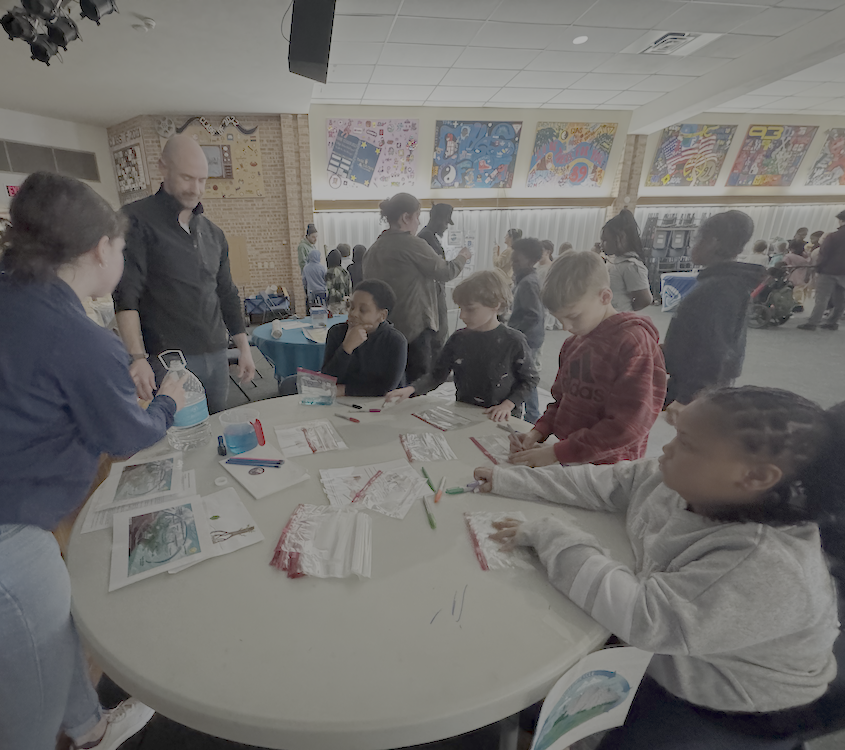
We celebrated World Water Day on March 24, 2026, engaging 200 elementary students in hands-on learning experiences. Our commitment to environmental stewardship continued with a week-long Earth Day celebration. Students participated in school and river cleanups, including the Milwaukee Riverkeeper Spring Cleanup, where over 2,000 volunteers set a Guinness World Record and removed more than 100,000 pounds of waste.

This experience gave our students a powerful sense of contribution to a larger environmental movement. As a culminating experience, 100 fifth-grade students will participate in the River Adaptations Program at the River Edge Nature Center. Students will collect macroinvertebrates and study how these organisms survive in river ecosystems, deepening their understanding of biodiversity and environmental health.
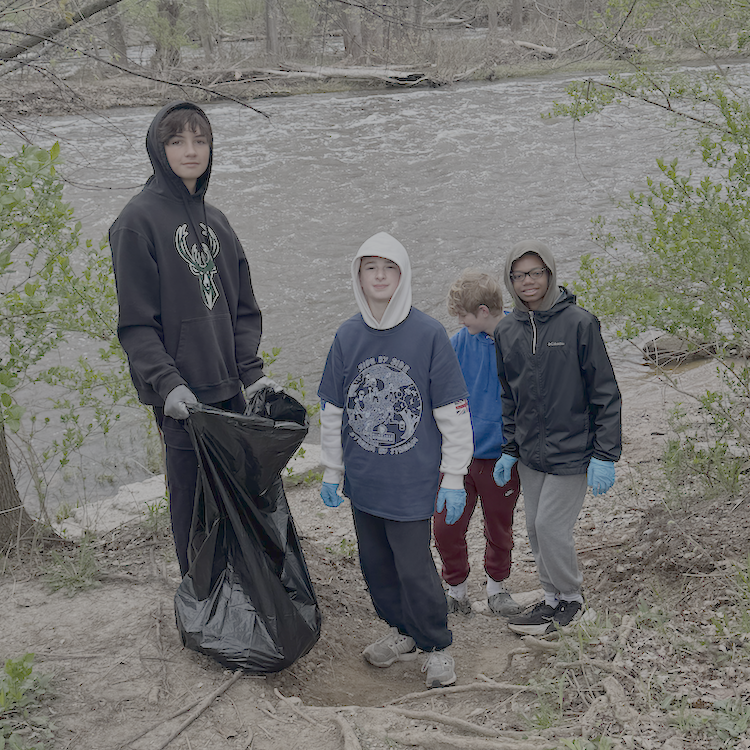
Through these experiences, students developed civic engagement skills, analyzed real-world data, and explored how to advocate for environmental protection. They learned to communicate their ideas, collaborate with others, and take meaningful action within their communities.
This journey would not have been possible without the continued support of NAAEE, EarthEcho International, and our many community partners. It stands as a powerful example of how collaboration can inspire meaningful learning and drive real environmental change.