

Autone Mululuma Shares Highlights of High Seas Youth Ambassador Experience
This blog post was authored by Autone Mululuma, a 2025 EarthEcho High Seas Youth Ambassador.
“I could not have imagined it — the ocean taking center stage in landlocked Zambia. But it did. And I hope you are not proven wrong, but instead, given hope that each one of us, through our acts, however big or small, can make a change for our ocean, wherever we might be.” - Autone Mululuma

The High Seas Zambia4Ocean Campaign was a youth-led awareness and advocacy initiative aimed at increasing public understanding of the High Seas Treaty (BBNJ Treaty) and mobilizing support for ocean protection in Zambia, despite the country being landlocked. Implemented between May and December 2025, the campaign combined media outreach, educational engagements, creative activism, policy advocacy, and regional youth collaboration to connect local communities, students, policymakers, and the general public to global ocean governance.
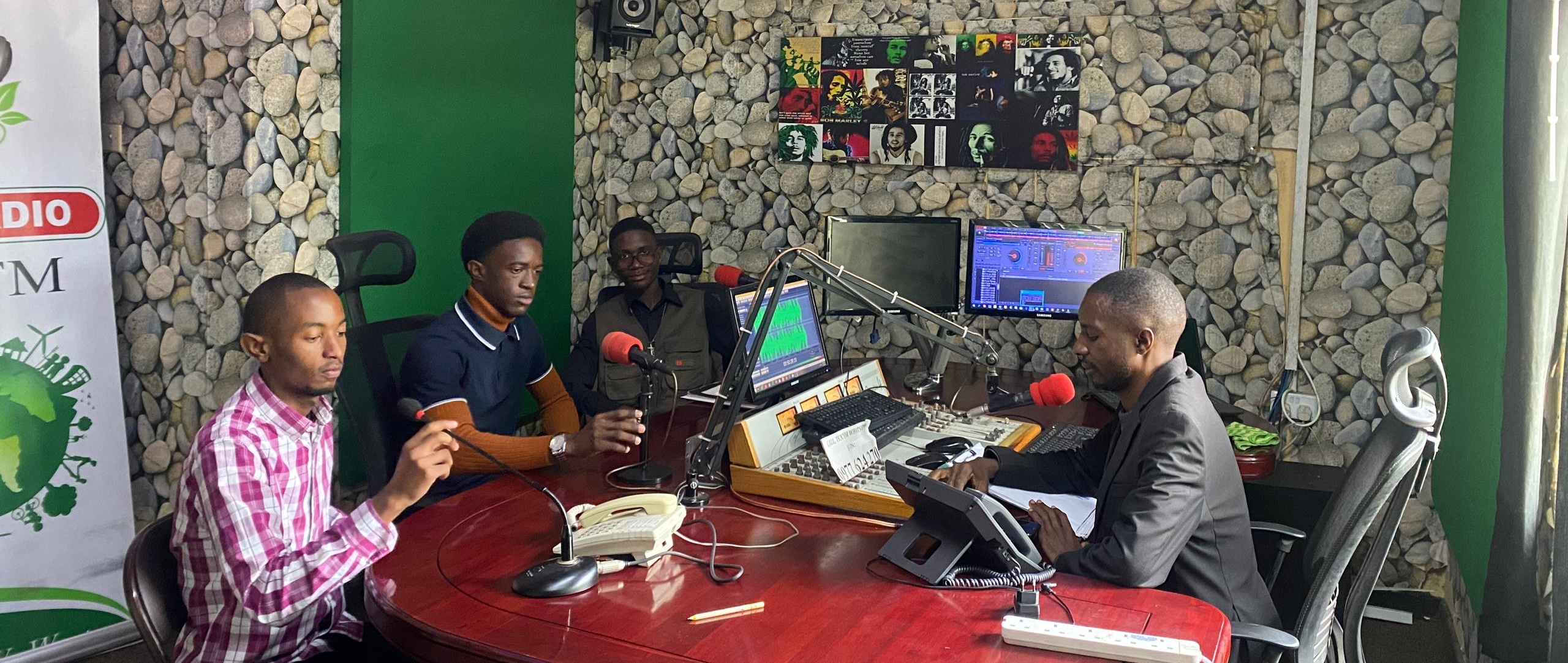
The campaign officially launched on 3 May 2025 through a live feature on Capital FM Radio, introducing the concept of the high seas, their relevance to Zambia, and the importance of ratifying the High Seas Treaty. This was followed by continued radio engagements, including a second live FM feature on 14 May, World Ocean Day programming on the University of Zambia radio station, and discussions linking ecosystem destruction, biodiversity loss, and youth action. These radio activations served as the campaign’s primary mass-media outreach, collectively reaching thousands of listeners and amplifying campaign messages through coordinated social media promotion across Facebook, Instagram, LinkedIn, and X.
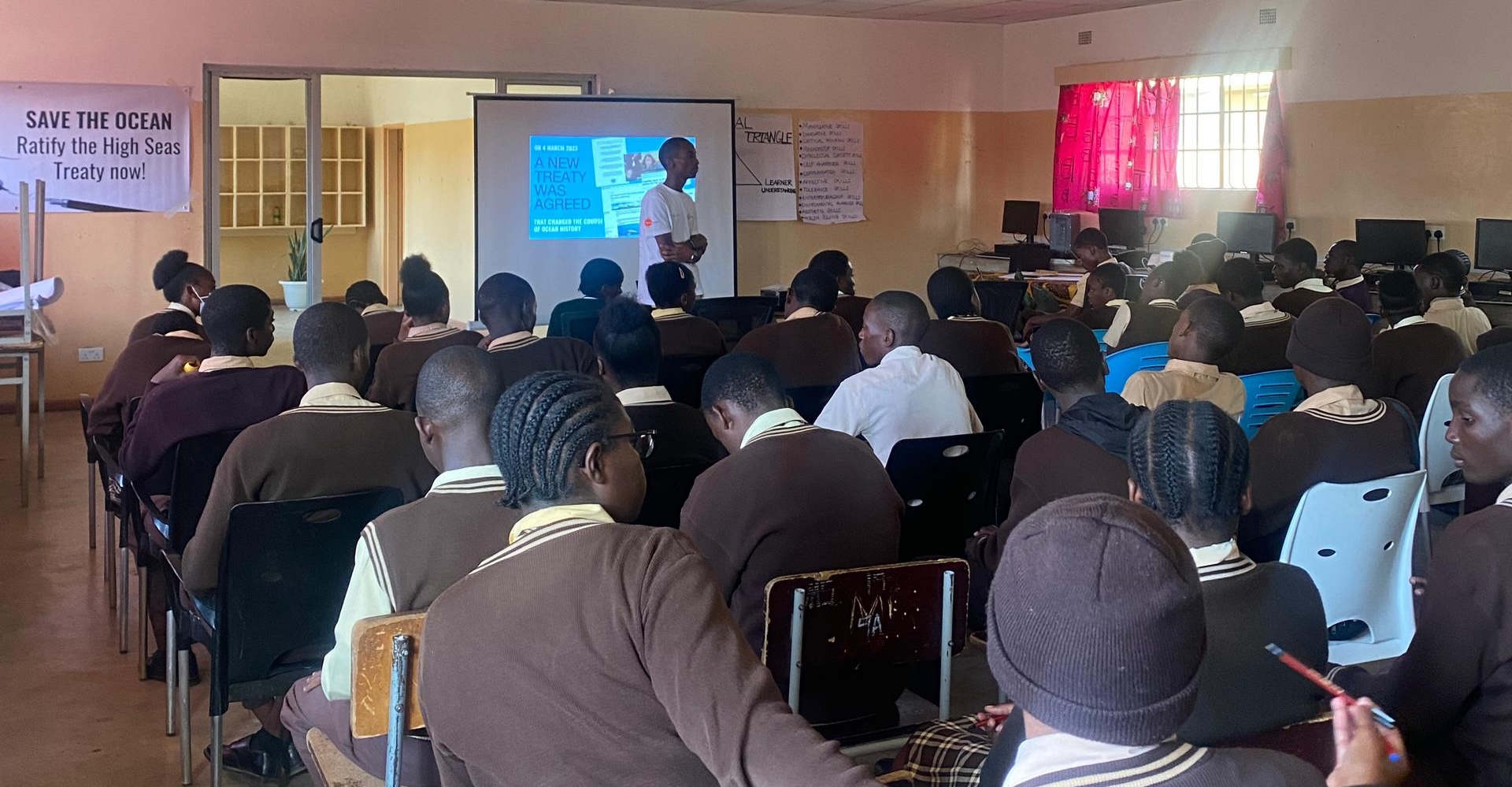
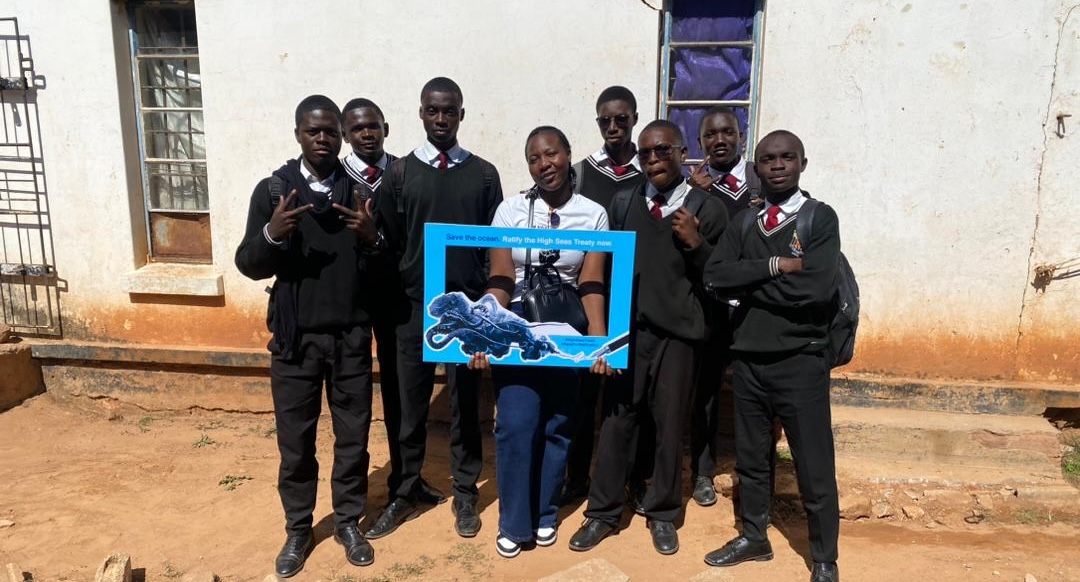
A strong education and youth engagement component was delivered through in-person presentations and school outreaches. These included a High Seas Treaty presentation to Ecosystems and Biodiversity students at the University of Zambia, collaboration meetings with student associations (UNZANARSO and UNZABIOSA), and multiple secondary school outreaches at Munali Boys Secondary School (World Environment Day – #BeatPlasticPollution) and my former school, Moomba Secondary School in Chibombo District of Zambia. These sessions emphasized biodiversity protection, plastic pollution, and the role of international treaties in safeguarding marine ecosystems.
The campaign also prioritized direct engagement with government institutions. A courtesy call and policy engagement meeting was held with the Permanent Secretary at the Ministry of Green Economy and Environment, during which a policy note advocating for Zambia’s ratification of the High Seas Treaty was formally submitted. In addition, participation in the Sub-Committee on Wetlands and Terrestrial Ecosystems under the Ministry of Lands and Natural Resources reinforced the campaign’s messaging on integrated ecosystem protection linking terrestrial, freshwater, and marine systems.
Creative and cultural advocacy formed a key pillar of the campaign. The Paint4Ocean Zambia event brought together young people, artists, and climate advocates to creatively express the urgency of ocean protection through art, dialogue, and youth-led advocacy. This was complemented by a public screening of Ocean with David Attenborough, which used storytelling and film to spark discussion on ocean conservation and the global importance of the high seas.
At the regional and global level, the campaign strengthened youth collaboration and visibility through joint and international platforms. This included a Tanzania–Zambia High Seas Youth Joint Webinar, participation as a panelist in the Oppenheimer Generations “Tipping Point” webinar, and speaking engagements at the Blue Roots Scholarship Masterclass, highlighting African youth leadership in ocean advocacy.
The campaign concluded with the #60toGlobal Solidarity BBQ, a reflective closing event that celebrated Zambia’s ratification of the High Seas Treaty and its forthcoming entry into force. The gathering brought together students, youth, and partner organizations to reflect on lessons learned, best practices, and future aspirations for ocean advocacy in Zambia.
Future Plans
Building on the momentum generated, plans include continued collaboration with university student associations, expanded school and community awareness programs, sustained policy engagement with government stakeholders, and participation in regional and global youth ocean advocacy platforms. The campaign’s outcomes lay a strong foundation for long-term youth-driven ocean conservation efforts in Zambia.